The best places for swimming in Croatia
Key takeaways
- Best classic beach: Zlatni Rat on Brač. Every one of the six major guides we checked lists it, so expect company.
- Best for families: Rajska plaža on Rab. It's shallow, sandy and about 2 km long, and its water rated excellent in 2025.
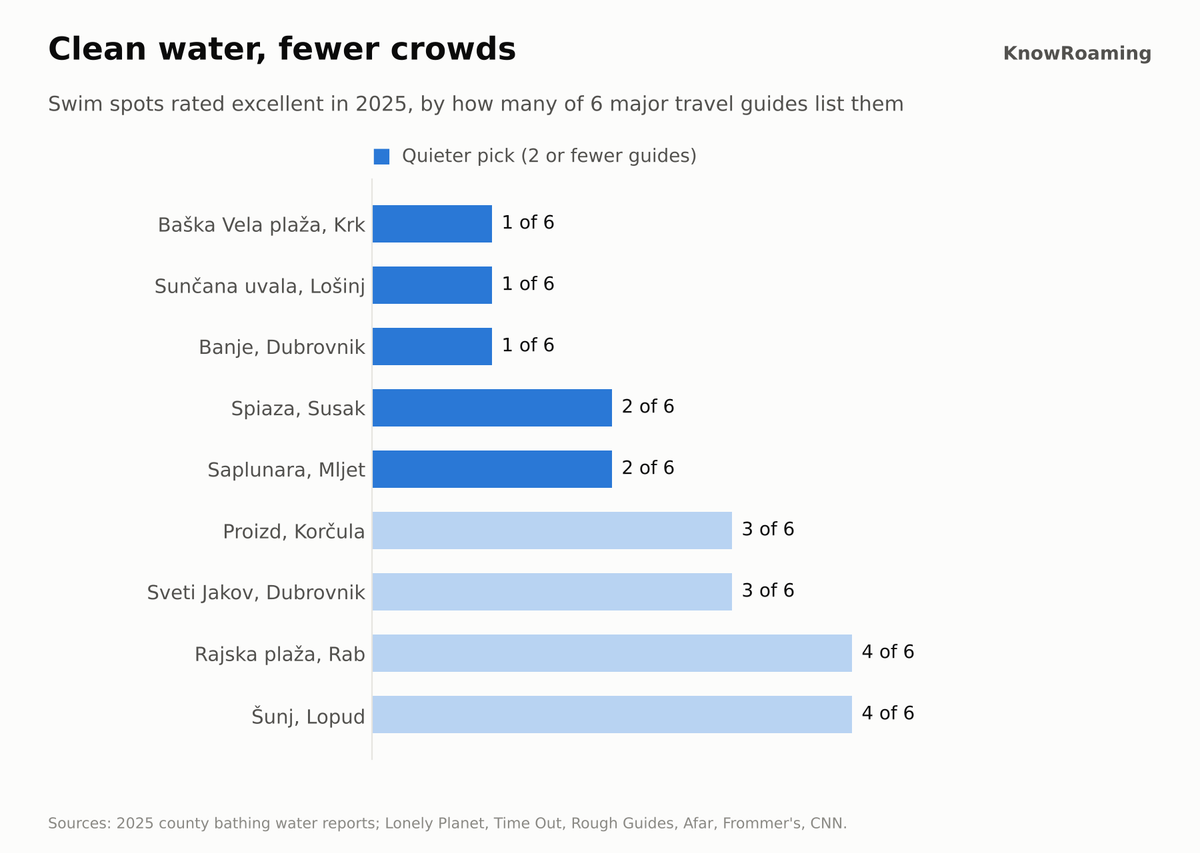
- Best quieter swims: Saplunara on Mljet and Spiaza on Susak. Both rated excellent, and only two of the six guides we checked mention them.
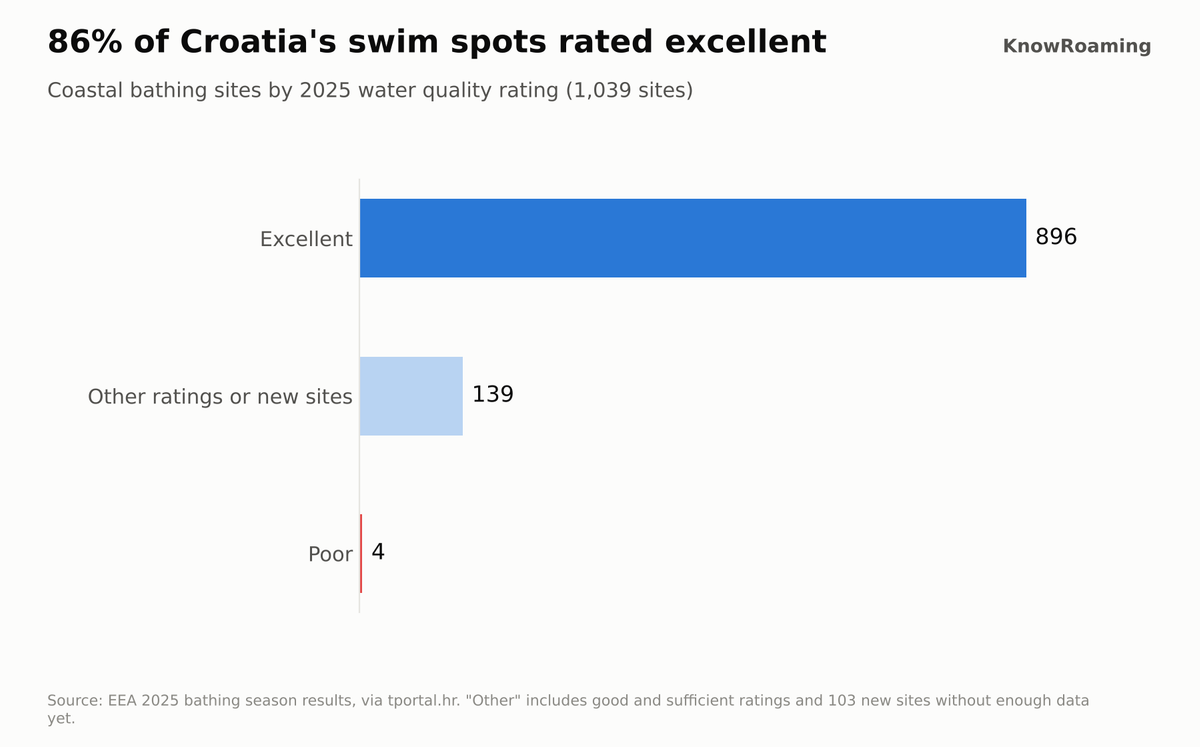
- The water is clean: 896 of Croatia's 1,039 monitored bathing sites rated excellent in the 2025 season.
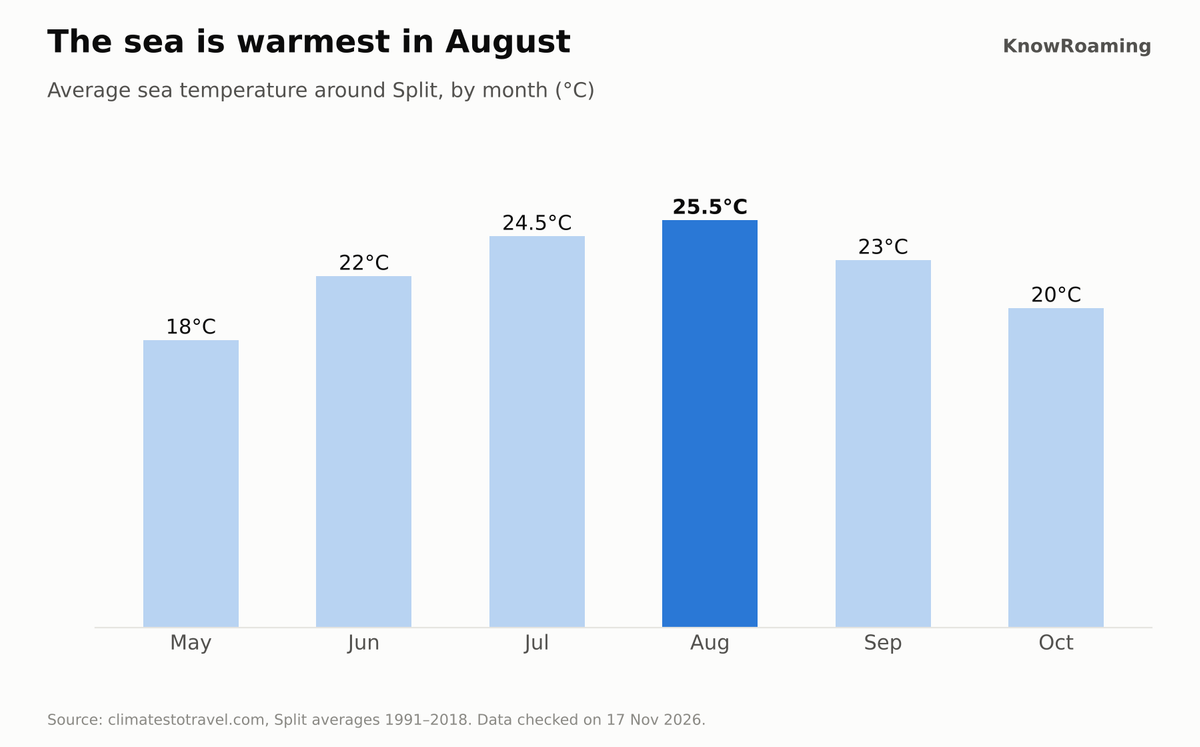
- Warmest sea: August, at about 25.5°C around Split.
- Signal: coverage can drop on remote coves and islands. Save offline maps before you set off.
The Croatia swim scorecard
We rated 24 swim spots on water quality, access and how well known they are. The "How known" score counts how many of six major travel guides list each spot, so a lower score usually means a quieter swim.
| Spot | Where | Water quality (2025) | Getting there | How known | Best for |
|---|---|---|---|---|---|
| Kamenjak (Mala Kolumbarica) | Premantura, Istria | No beach-level data | Car entry €20 in peak season; free on foot or bike | Lesser known (1/6) | Cliff jumping, snorkelling |
| Barbariga | Near Brijuni, Istria | No beach-level data | A short effort from the car | Hidden (0/6) | Quiet, pine shade |
| Veruda Island | Pula, Istria | No beach-level data | Short boat ride from Pula; no cars | Lesser known (1/6) | Quiet, car-free |
| Sveti Ivan | Lubenice, Cres | Not monitored | Steep 1-hour walk down, or by boat | Lesser known (1/6) | Quiet, car-free |
| Rajska plaža | Lopar, Rab | Excellent | Ferry to Rab, then car or bus | Popular (4/6) | Families, shallow sand |
| Baška Vela plaža | Krk | Excellent | Along the promenade | Lesser known (1/6) | Sunbathing, fine pebble |
| Oprna | Krk | Not monitored | Narrow path down a slope | Lesser known (1/6) | Snorkelling, quiet |
| Spiaza | Susak | Excellent | Ferry or catamaran; car-free island | Lesser known (2/6) | Families, shallow sand |
| Sunčana uvala (Veli Žal) | Lošinj | Excellent | Easy walk in | Lesser known (1/6) | Families |
| Zrće | Novalja, Pag | Excellent (September 2025 sample) | Bridge to Pag; large car park | Lesser known (2/6) | Nightlife |
| Kraljičina plaža | Nin, near Zadar | No beach-level data | Bus or car from Zadar; parking fills early | Lesser known (2/6) | Kids, shallow sand |
| Sakarun | Dugi otok | No beach-level data | Ferry from Zadar to Brbinj, then car or shuttle | Lesser known (2/6) | Calm, shallow water |
| Bačvice | Split | No beach-level data | City beach | Lesser known (2/6) | Picigin, bars |
| Punta Rata | Brela | No beach-level data | Car park by the beach; tight in peak season | Popular (4/6) | Families, watersports |
| Nugal | Makarska | No beach-level data | 30-minute rocky trail | Lesser known (2/6) | Quiet, naturist-friendly |
| Zlatni Rat | Bol, Brač | No beach-level data | Ferry or catamaran from Split, then 30-minute walk from Bol | Famous (6/6) | Windsurfing, photos |
| Dubovica | Hvar | No beach-level data | 10-minute stony path; taxi boat | Lesser known (2/6) | Snorkelling |
| Stiniva | Vis | No beach-level data | 20–30-minute steep path, or boat and swim in | Popular (4/6) | Scenery; busy with boats at midday |
| Proizd | Off Vela Luka, Korčula | Excellent | Taxi boat, about 40 minutes | Popular (3/6) | Rock slabs, snorkelling |
| Banje | Dubrovnik | Excellent | City beach | Lesser known (1/6) | Easy city swim |
| Sveti Jakov | Dubrovnik | Excellent | 30-minute walk and 160 steps, or bus 8 | Popular (3/6) | Old Town views |
| Šunj | Lopud | Excellent | Ferry about 50 minutes from Dubrovnik; car-free | Popular (4/6) | Families, shallow sand |
| Saplunara | Mljet | Excellent | Ferry to Sobra, then car or taxi | Lesser known (2/6) | Sandy, calm water |
| Pasjača | Konavle | Not monitored | Steep stairs from cliff parking; no facilities | Lesser known (1/6) | Scenery, quiet |
How we built it
- Water quality: 2025 bathing-water reports from the county public health institutes for Dubrovnik-Neretva, Primorje-Gorski Kotar and Lika-Senj. "No beach-level data" means we couldn't find a published result for that exact beach.
- How known: how many of six guides list the spot (Lonely Planet, Time Out, Rough Guides, Afar, Frommer's, CNN). 0 = hidden, 1–2 = lesser known, 3–4 = popular, 5–6 = famous.
- Getting there and best for: official tourist board pages and the same guides.
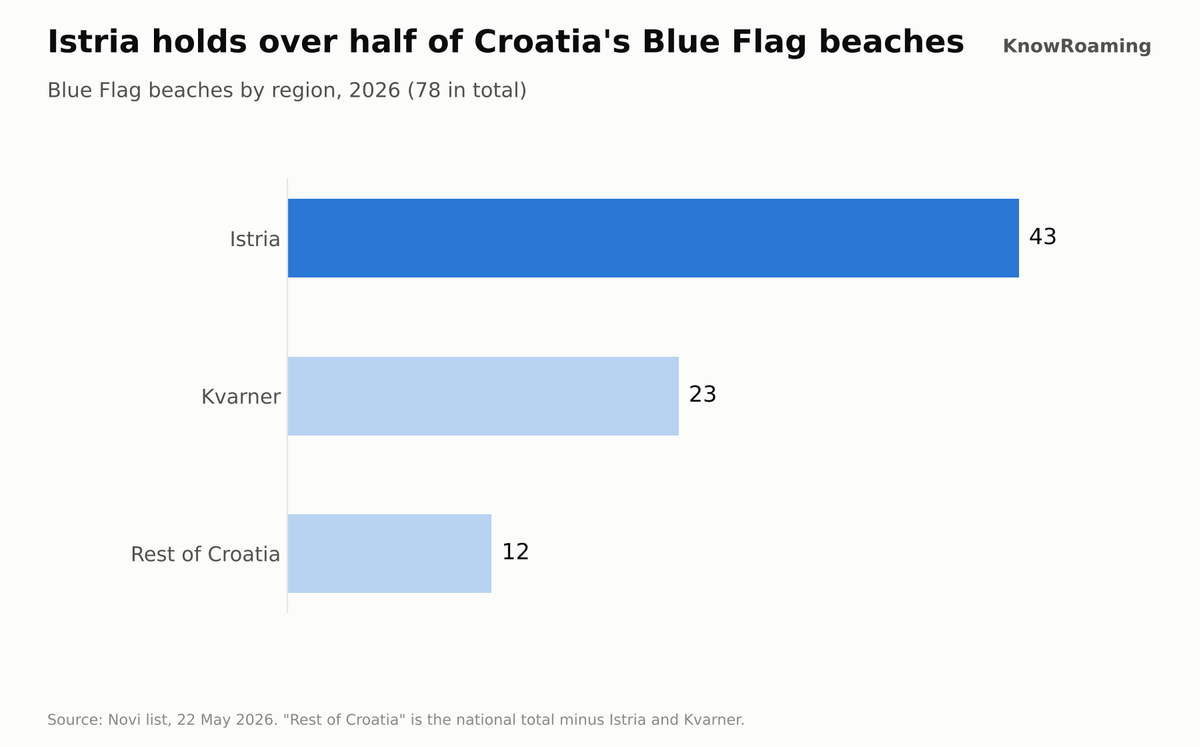
- Blue Flag: Croatia has 78 Blue Flag beaches in 2026, 43 of them in Istria. None of the Istrian spots above made the 2026 list.
Data checked on 17 Nov 2026.
Where to swim, region by region
Istria
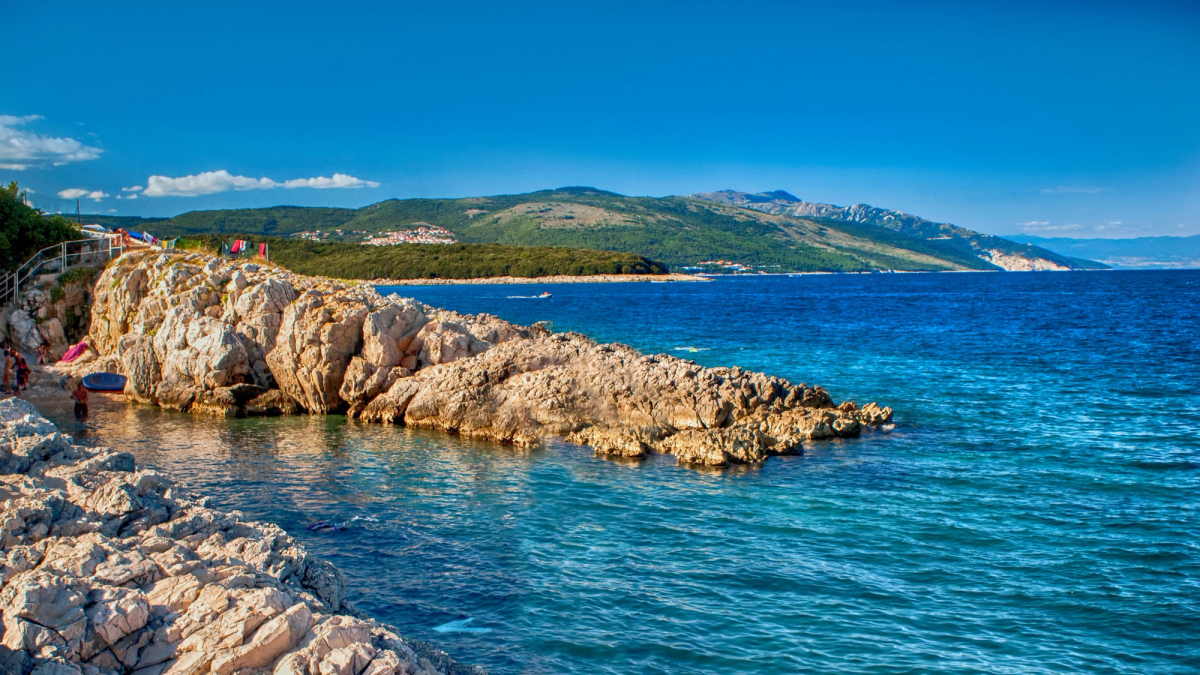
Istria holds more Blue Flags than any other region, with 43 beaches in 2026. For wild swimming, head to Kamenjak at the southern tip. You'll find cliff jumps and clear water for snorkelling. Cars pay €20 to enter in peak season, so walk or cycle in to save it. Barbariga, near the Brijuni islands, is the quiet pick. It's a pine-shaded stretch that mostly locals use.
Kvarner and the northern islands
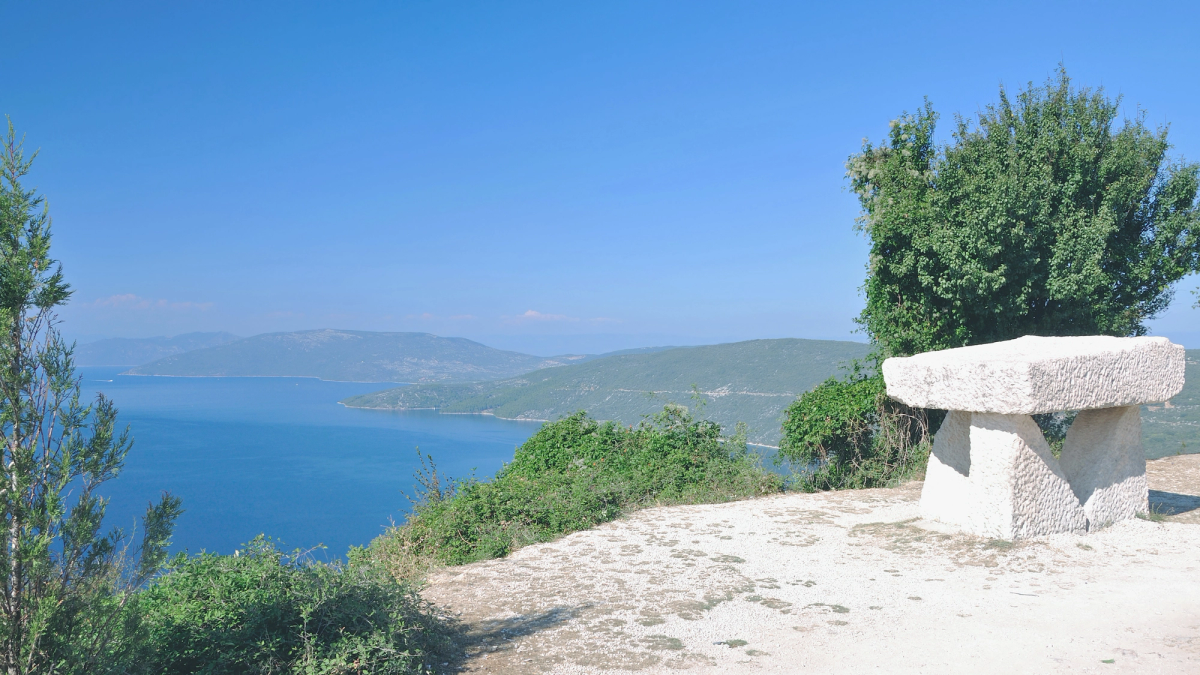
Kvarner rated 87.2% of its monitored beaches excellent in 2025. Rajska plaža on Rab is the family favourite. It's about 2 km of shallow sand, with ramps for wheelchair users. Susak is a car-free island with a sandy main beach. On Cres, Sveti Ivan sits below the cliff village of Lubenice. It takes an hour on foot to get down and longer to climb back up.
Northern Dalmatia
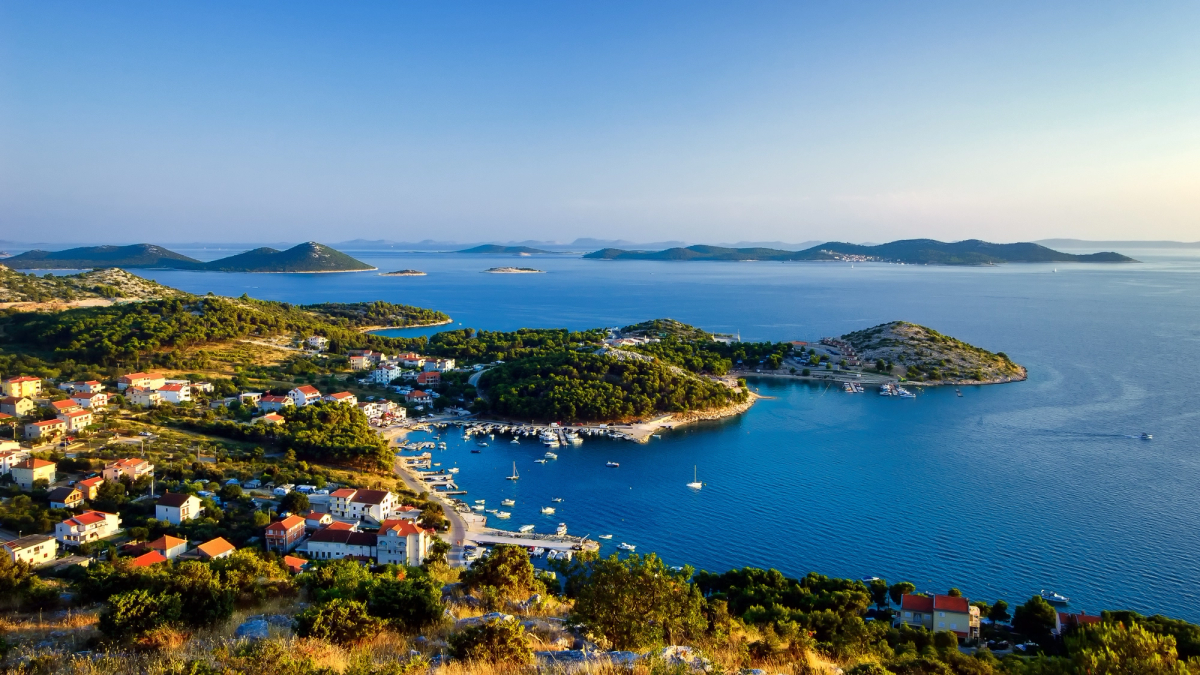
Kraljičina plaža in Nin has shallow, sandy water that suits young kids. Sakarun on Dugi otok is calm and turquoise, and a ferry from Zadar gets you there. Zrće on Pag is the party beach, with clubs right on the sand.
Central Dalmatia
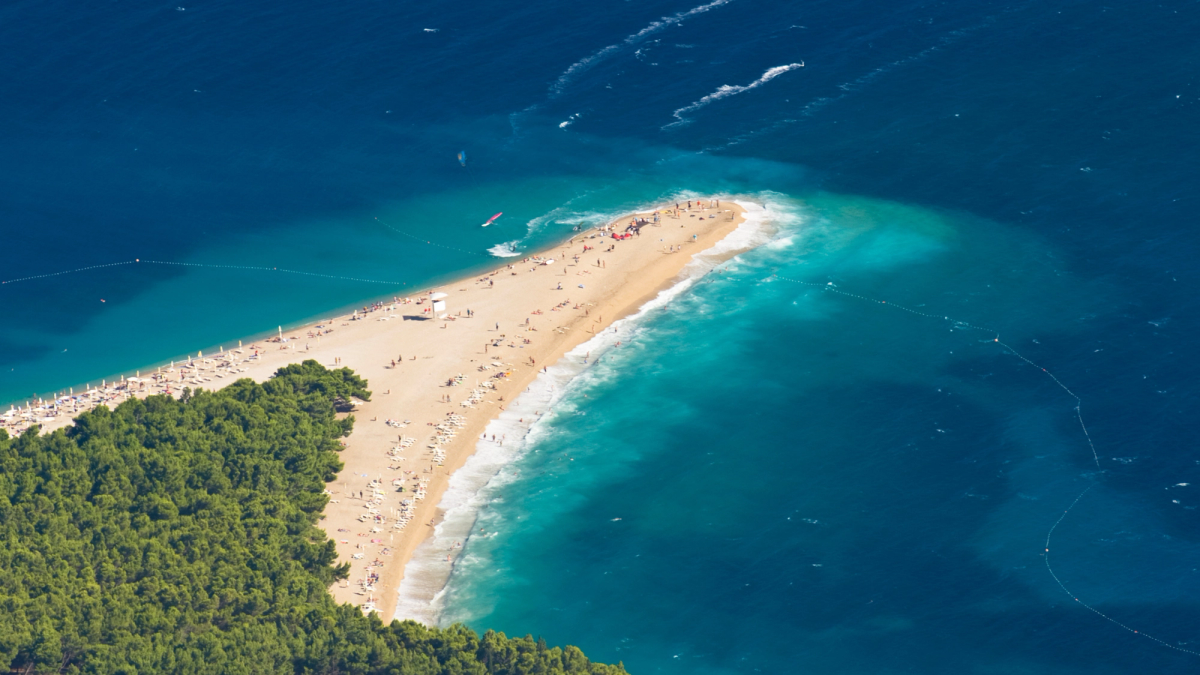
Zlatni Rat is Croatia's best-known beach. Its pebble spit changes shape with the wind and current, and windsurfers love it. Stiniva on Vis is a cove behind a narrow rock gap. Arrive early: boats crowd in by midday. In Split, Bačvice is where locals play picigin, a shallow-water ball game.
Dubrovnik and the southern islands
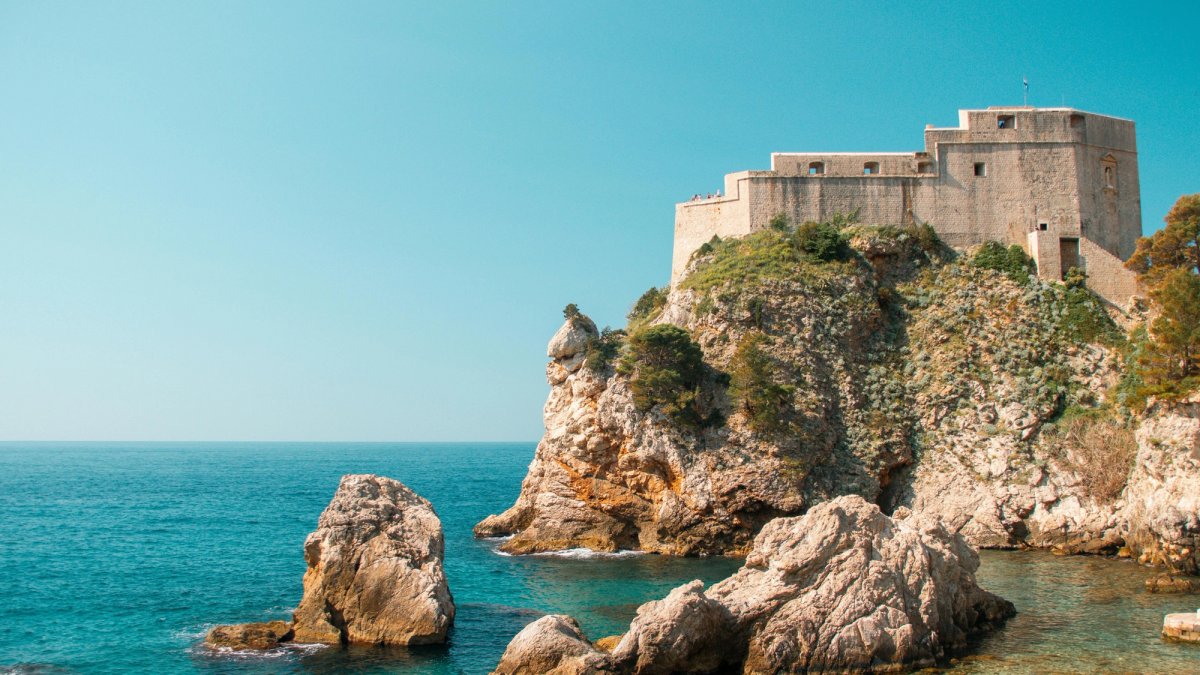
The Dubrovnik-Neretva region rated 90.1% of its beaches excellent in 2025. Banje is the easy city swim. Sveti Jakov is a 30-minute walk away, with views back to the Old Town. Lopud's Šunj beach and Mljet's Saplunara are both sandy, calm and reached by ferry. Proizd, off Korčula, has smooth white rock slabs instead of sand.
Before you swim
Sea temperature around Split
| Month | Average sea temperature |
|---|---|
| May | 18°C |
| June | 22°C |
| July | 24.5°C |
| August | 25.5°C |
| September | 23°C |
| October | 20°C |
September is the sweet spot: the sea is still 23°C and the summer crowds have left.
Sea urchins and jellyfish
- Sea urchins live on rocky stretches. Watch where you step, or wear water shoes on rocky beaches like Sveti Jakov.
- Jellyfish: the compass jellyfish and the mauve stinger are the two to avoid. If you're stung, rinse with seawater without rubbing. Then scrape off any tentacle bits with a card and apply a cold pack.
Beach rules in town
- In Split, walking around town in swimwear or shirtless can cost you a €150 fine.
- Hvar and Dubrovnik's Old Town have similar rules.
- Lifeguards cover the bigger concession beaches, such as Zrće and Punta Rata. Most coves have none.
Staying connected on the coast
Mobile coverage is strong in Croatia's towns. It can drop on remote coves and outer islands. Stiniva on Vis is a known patchy spot.
- Save offline maps and ferry times before you leave the mainland.
- Check your plan's data before a long boat day.
- Text someone your plans if you're hiking down to a remote cove.
KnowRoaming travelers in Croatia use an average of 10 GB per trip in summer.
With KnowRoaming, you install the eSIM once and add a Croatia plan for each trip. Set it up before you fly. Nothing starts until you arrive. KR.One is the technology that lets that same eSIM hold plans for every destination, so your next trip is just another plan.
FAQs
Is the sea in Croatia clean enough to swim in? Yes. In the 2025 season, 896 of Croatia's 1,039 monitored bathing sites rated excellent. Only 4 rated poor.
When is the sea warmest in Croatia? August, at about 25.5°C around Split. July and September are close behind.
Are there sandy beaches in Croatia? Yes, but most beaches are pebble or rock. For sand, try Rajska plaža on Rab, Spiaza on Susak, Šunj on Lopud or Saplunara on Mljet.
Do I need water shoes in Croatia? They help on rocky beaches, where sea urchins live. On sandy beaches you won't need them.
Can I walk around town in swimwear? Not in Split, where it can cost you a €150 fine. Cover up when you leave the beach.
Will my phone work on Croatia's islands? In towns, yes. On remote coves and outer islands, coverage can drop, so save offline maps before you go.
Sources
- Dubrovnik-Neretva bathing water report 2025
- Primorje-Gorski Kotar bathing water report 2025
- Lika-Senj bathing water report
- tportal: Croatia's 2025 EEA bathing water results
- Istria Blue Flags 2026
- Novi list: Blue Flags 2026
- HAKOM coverage maps
- Lonely Planet, Time Out, Rough Guides, Afar, Frommer's, CNN
- Kamenjak: how to reach us
- Rab tourist board: Rajska plaža
- Split sea temperatures
- Poreč jellyfish brochure
- N1: Split swimwear fine
- Intrepid Travel: phones in Croatia
- KnowRoaming Croatia Plan
الأسئلة الشائعة
Yes. The Europe plan covers Croatia and 48 other countries, including Slovenia, Bosnia and Herzegovina, Italy, and Hungary, and your phone switches networks by itself at the border. It does not cover Montenegro, which has its own plan. See our support article on whether a region plan covers every country in it.
In Croatia your plan connects to A1 or Telemach, with 5G in the cities and main island towns and 4G LTE elsewhere. Your phone joins the network automatically once your eSIM is turned on. If it hasn't connected a minute after landing, work through the no-signal checklist.
Weeks ahead. Your plan doesn't start until you connect at your destination, so a plan bought a month before departure is still complete when you land. Start your plan within 90 days of buying it. See when your plan starts and how the days are counted.
For some things, yes. Croatia uses the euro, cards work nearly everywhere, and cash covers the market stalls and the konobas on the smaller islands.
Once an eSIM is on your phone, it works like a regular SIM card: it can function even when your phone isn't connected to the internet, for example for calls and texts on a line that includes them. A KnowRoaming eSIM is data-only, so you need a data connection to use it.
Yes, KnowRoaming offers eSIM plans that work across multiple countries, so you can stay connected without buying a new SIM card in each destination. Whether your family is visiting three countries in Europe or hopping between islands, one KnowRoaming eSIM can keep you online for maps, translations, and entertainment in over 200 destinations.
KnowRoaming provides international eSIM coverage in over 200 destinations. Our Global eSIM covers most of the world, and regional eSIM plans are available for Europe, Asia, Africa, the Caribbean, Oceania, and more. No SIM swaps needed when crossing borders.