
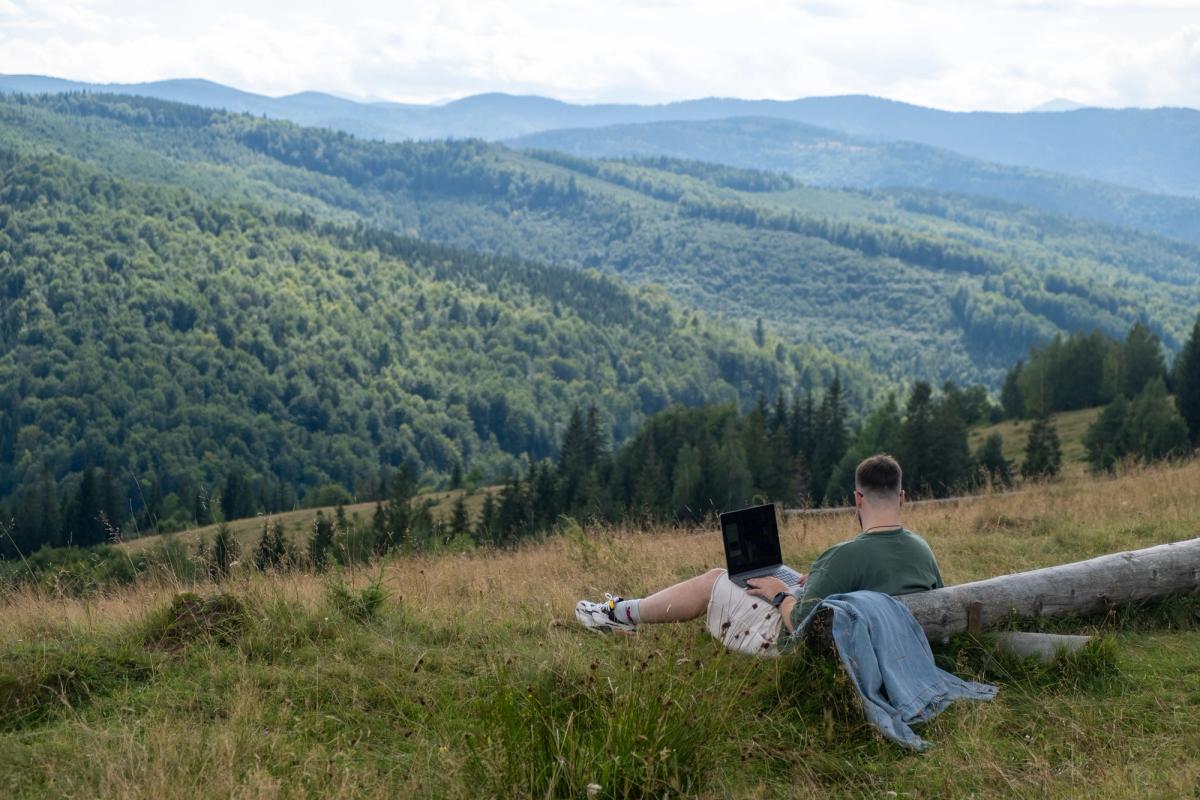
Understanding working remotely from anywhere for everyone
Working remotely from anywhere is changing what people expect from their jobs and their lives. More than 70 percent of professionals say flexible work is a top priority, even outranking salary for many. This sounds like a free pass to sit on a beach with a laptop, right? Actually, the real story is about how technology and new work mindsets are flipping the old 9-to-5 script on its head and opening doors most people never thought possible.
What is working remotely from anywhere?
Working remotely from anywhere represents a revolutionary approach to professional life that breaks traditional workplace boundaries. This modern work model enables professionals to perform their job responsibilities from virtually any location with reliable internet connectivity, transforming how people conceptualize work, productivity, and personal freedom.
The Fundamental Concept of Location Independence
Remote work from anywhere fundamentally challenges the conventional office-based work paradigm. Instead of being tethered to a specific physical workspace, professionals can now execute their tasks from diverse environments such as home offices, coffee shops, co-working spaces, or even while traveling internationally. This flexibility is powered by digital technologies that enable seamless communication, collaboration, and task management across geographical distances.
Key characteristics of working remotely from anywhere include:
- Complete geographical independence
- Reliance on digital communication tools
- Performance measured by output rather than physical presence
- Ability to design personalized work environments
Technology Enabling Borderless Work
Digital infrastructure has been the primary catalyst for making location-independent work possible. Advanced communication platforms, cloud-based software, project management tools, and high-speed internet connections have dismantled traditional barriers that once required physical co-location. Video conferencing, instant messaging, collaborative document editing, and secure cloud storage now allow teams to work synchronously and asynchronously across different time zones and continents.
Professionals in diverse fields like technology, marketing, design, writing, consulting, and customer support are increasingly embracing this work model. The ability to work from anywhere provides unprecedented flexibility, allowing individuals to balance professional responsibilities with personal lifestyle preferences, travel aspirations, and family commitments.
Modern remote work is not just about geographical freedom but represents a fundamental reimagining of how work can be structured, performed, and integrated into personal life. By prioritizing results over physical presence, this approach empowers professionals to create more dynamic, personalized, and fulfilling work experiences.
Why working remotely from anywhere matters today
In the rapidly evolving global workplace, working remotely from anywhere has transitioned from a niche trend to a fundamental transformation in how professionals approach work, career, and personal lifestyle. This paradigm shift is driven by technological advancements, changing workforce expectations, and a growing recognition that productivity is not confined to traditional office environments.
Economic and Personal Empowerment
Remote work from anywhere represents more than just a flexible work arrangement. It is a powerful mechanism for economic democratization and personal empowerment. Professionals are no longer restricted by geographical limitations, enabling individuals to access global job markets, reduce commuting costs, and design work experiences that align with their individual needs and aspirations.
Key economic advantages of working remotely include:
- Reduced overhead costs for businesses
- Enhanced talent acquisition from global talent pools
- Lower personal expenses related to commuting and workplace attire
- Increased opportunities for professionals in diverse geographic regions
Technological and Cultural Convergence
The rise of remote work from anywhere is not just a technological phenomenon but a cultural shift. Advanced digital infrastructure, cloud computing, collaborative platforms, and high-speed internet have created an ecosystem where geographical boundaries become increasingly irrelevant. Companies are recognizing that talent, creativity, and productivity are not confined to physical office spaces but can flourish in diverse, flexible work environments.
This transformation is particularly significant for younger generations who prioritize work-life integration, personal autonomy, and meaningful professional experiences over traditional career trajectories. Remote work offers an unprecedented level of flexibility, allowing professionals to balance career growth with personal passions, travel, family commitments, and continuous learning.
Moreover, working remotely from anywhere contributes to broader societal benefits. It reduces carbon emissions by minimizing commuting, supports more inclusive workforce participation for individuals with caregiving responsibilities or disabilities, and enables economic opportunities in regions traditionally underserved by centralized job markets.
As global work dynamics continue to evolve, remote work represents not just a temporary trend but a fundamental reimagining of how professional success and personal fulfillment can coexist in an increasingly interconnected world.
How working remotely from anywhere is made possible
The seamless execution of working remotely from anywhere relies on a sophisticated ecosystem of digital technologies, communication platforms, and innovative organizational strategies. This intricate infrastructure transforms geographical constraints into opportunities for flexible, efficient, and connected professional experiences.
Digital Communication and Collaboration Technologies
At the core of remote work capabilities are advanced digital communication tools that enable real-time interaction and collaboration across vast distances. Video conferencing platforms, instant messaging applications, project management software, and cloud-based document sharing systems have effectively recreated traditional office interactions in virtual environments.
Key technological enablers of remote work include:
- High-speed internet connectivity with a KnowRoaming eSIM
- Secure virtual private networks (VPNs)
- Cloud computing infrastructure
- Advanced cybersecurity protocols
- Mobile device compatibility
Infrastructure and Organizational Adaptations
Beyond technological solutions, working remotely from anywhere requires significant organizational culture transformations. Companies are redesigning management approaches, performance evaluation metrics, and communication protocols to support distributed workforce models. This involves developing robust digital workflows, establishing clear communication channels, and creating systems that prioritize outcomes over physical presence.
The technical infrastructure supporting remote work goes far beyond simple communication tools. Sophisticated platforms now offer integrated solutions that manage everything from task allocation and time tracking to team collaboration and secure data exchange. These systems ensure that professionals can maintain productivity, accountability, and professional connections regardless of their physical location.
Moreover, the emergence of specialized remote work technologies has democratized professional opportunities. Freelance platforms, global talent marketplaces, and digital nomad networks have created ecosystems that connect skilled professionals with organizations worldwide, transcending traditional recruitment limitations and geographical boundaries.
As technological capabilities continue to evolve, working remotely from anywhere will become increasingly sophisticated, offering professionals unprecedented flexibility and organizations access to global talent pools unbound by traditional workplace constraints.
Key concepts behind working remotely from anywhere
Working remotely from anywhere represents a complex interplay of technological, psychological, and organizational dynamics that fundamentally reimagine traditional work structures. Understanding the key concepts driving this transformation requires exploring the intricate relationships between individual capabilities, technological infrastructure, and evolving workplace philosophies.
Autonomy and Performance Paradigms
At the heart of remote work lies a revolutionary shift from time-based productivity to output-oriented performance measurement. Traditional workplace models emphasized physical presence and standardized working hours, whereas modern remote work prioritizes individual autonomy, result-driven evaluation, and personalized work approaches. This paradigm recognizes that professional effectiveness is not determined by location but by an individual's ability to deliver quality outcomes consistently.
Critical psychological foundations of remote work include:
- Self-motivation and discipline
- Robust time management skills
- Proactive communication abilities
- Strong digital literacy
- Emotional intelligence for virtual interactions
Technological Ecosystem and Human Adaptation
The technological infrastructure supporting remote work goes beyond mere communication tools. It represents a sophisticated ecosystem that enables seamless collaboration, real-time information exchange, and dynamic workflow management. Professionals must develop advanced digital competencies to navigate these complex virtual environments effectively.
This technological ecosystem demands not just technical skills but also a fundamental reimagining of professional interactions. Virtual collaboration requires nuanced communication strategies, advanced digital etiquette, and the ability to build meaningful professional relationships without traditional in-person contact. Successful remote workers develop unique skill sets that blend technological proficiency with sophisticated interpersonal capabilities.
Moreover, working remotely from anywhere challenges conventional workplace hierarchies and power structures. It democratizes professional opportunities by reducing geographical barriers, enabling talent to be evaluated based on merit rather than physical proximity. As organizations increasingly recognize the potential of distributed workforce models, the boundaries between traditional employment and flexible professional engagement continue to blur, creating more dynamic and inclusive work environments.
The impact of working remotely from anywhere on lifestyle and economy
Working remotely from anywhere has emerged as a transformative force reshaping both individual lifestyles and broader economic landscapes. This profound shift extends far beyond simple workplace flexibility, fundamentally restructuring how professionals engage with work, personal development, and economic opportunities.
Personal Lifestyle Transformation
Remote work enables unprecedented personal lifestyle integration, allowing professionals to design work experiences that harmonize with individual life goals. Instead of conforming to rigid workplace structures, individuals can now craft personalized work environments that support their unique productivity rhythms, personal commitments, and geographical preferences.
Key lifestyle benefits of working remotely include:
- Enhanced work-life balance
- Reduced commuting stress and time
- Greater geographical flexibility
- Increased opportunities for personal development
- Improved mental health and well-being
Economic Restructuring and Workforce Dynamics
The widespread adoption of remote work is triggering significant economic transformations. Organizations are reimagining talent acquisition, moving from localized recruitment to global talent pools. This shift democratizes professional opportunities, enabling skilled professionals to contribute regardless of geographical constraints. Small businesses and entrepreneurs can now access specialized talent without substantial overhead costs, while workers gain unprecedented career mobility.
Remote work models are generating substantial economic benefits by reducing operational expenses, increasing productivity, and creating more inclusive workforce participation. Companies are witnessing reduced real estate costs, lower utility expenses, and improved employee retention. Simultaneously, professionals experience decreased personal expenses related to commuting, work attire, and geographical limitations.
Moreover, working remotely from anywhere contributes to broader societal economic advantages. It supports environmental sustainability by reducing transportation-related carbon emissions, enables economic opportunities in traditionally underserved regions, and provides professional pathways for individuals with caregiving responsibilities or physical limitations. As technological infrastructure continues to evolve, remote work represents not just a workplace trend but a fundamental reimagining of economic engagement, professional identity, and human potential.
Make remote work from anywhere truly possible with reliable connectivity
You have read about the freedom and flexibility of working remotely from anywhere, but the reality can be stressful when you are faced with spotty Wi-Fi, expensive roaming charges, or complicated SIM swaps. When your productivity and peace of mind hinge on staying connected across borders, you deserve a solution that matches the efficiency and adaptability highlighted in the article. Imagine eliminating the uncertainty of global travel while unlocking seamless digital collaboration in every destination.
Choose uninterrupted remote work and effortless travel. With KnowRoaming's eSIM solutions, you can activate international data instantly, avoid surprise charges, and manage your mobile plans from one simple app. Professionals and digital nomads who want to work from anywhere trust KnowRoaming for global coverage and transparent pricing. Experience true independence by starting with easy, reliable eSIM activation today. Your next destination is only a click away.
Preguntas frecuentes
Yes. KnowRoaming supports dual-SIM functionality, meaning you can keep your physical SIM active for calls and SMS while using your eSIM for international data. This is ideal for receiving banking codes, WhatsApp messages, or important updates without paying roaming charges.
Use the list in data saving tips for hotspot users, pause backups, lower streaming quality, and cache maps offline.
Follow the steps in how to set up hotspot on KnowRoaming eSIM for iPhone and Android, enable hotspot in system settings, then connect your laptop to your phone’s SSID.
Manage all of your KnowRoaming eSIMs in-app. Track usage, and view past data, all in one place.
KnowRoaming eSIMs are data-only, meaning they do not include voice or SMS. However, you can use messaging and calling apps like WhatsApp, FaceTime, Telegram, or Signal to stay connected without needing a traditional phone number.
Most smartphones support the simultaneous use of both eSIM and physical SIM cards. This dual-SIM functionality provides significant benefits for individuals traveling internationally and those managing multiple phone numbers or data subscriptions.
Working remotely from anywhere means that professionals can perform their job tasks from any location with a reliable internet connection, rather than being confined to a traditional office environment.
Key technologies that enable remote work include high-speed internet with a KnowRoaming eSIM, video conferencing platforms, cloud computing, project management software, and secure communication tools, facilitating collaboration across distances.
Remote work can enhance work-life balance by allowing individuals to design their work environments according to personal needs, reducing commuting time, and providing flexibility to integrate personal commitments with professional responsibilities.
Economic benefits of remote work include reduced overhead costs for businesses, access to a larger global talent pool, decreased personal commuting expenses for employees, and improved productivity, contributing to overall efficiency in the workforce.