
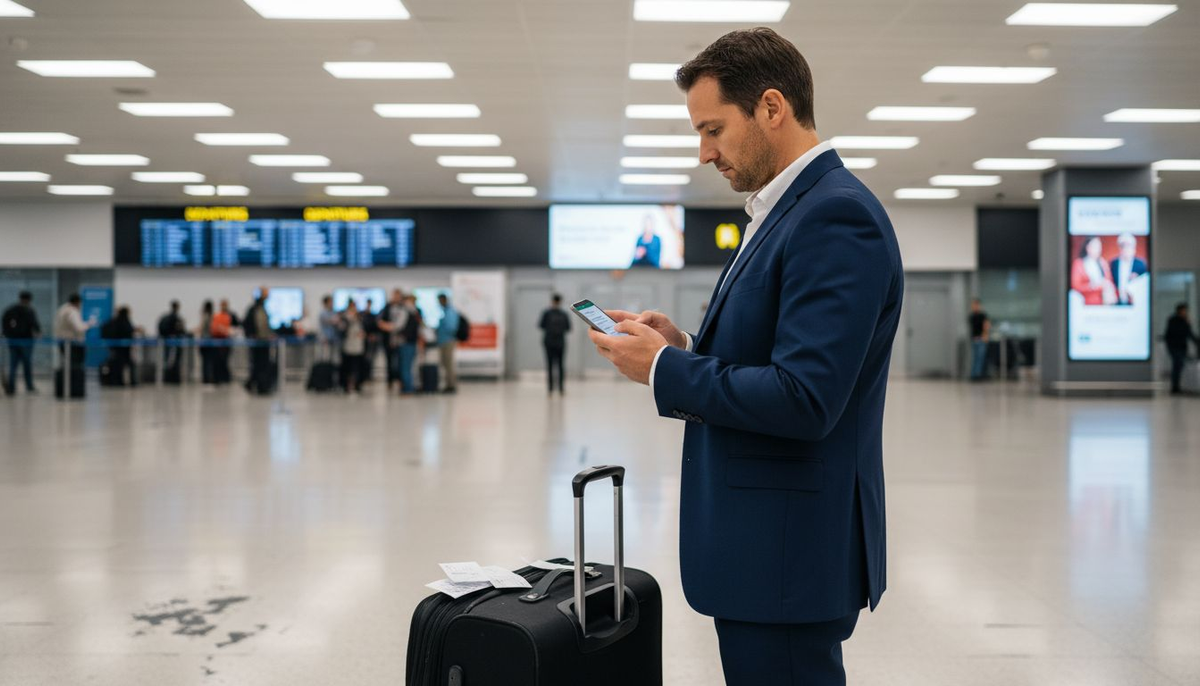
Data security with eSIM, peace of mind for global travelers
Every frequent traveler has faced unreliable connections or surprising roaming fees on trips through Europe or Asia. As mobile security risks evolve, eSIM data security stands out as an intelligent solution for those wanting reliable international connectivity without relying on risky public Wi-Fi or outdated physical SIM cards. This article breaks down the real strengths of eSIM technology, dispels common myths, and gives you practical insight into securing your digital communications wherever your journey leads.
Key takeaways
| Point | Details |
|---|---|
| eSIM Provides Enhanced Security | Unlike traditional SIM cards, eSIMs offer multiple layers of digital protection, including advanced encryption and remote profile management. |
| Myths About eSIM Security | Common misconceptions suggest physical SIMs are more secure or that eSIMs are easily hacked; in fact, eSIM technology is designed with stringent security protocols. |
| Flexible Connectivity for Travelers | eSIM technology facilitates seamless switching between international carriers, simplifying connectivity for global travel. |
| Importance of Provider Selection | Choosing a reputable eSIM provider with verified security certifications is essential for maintaining personal data safety while traveling. |
Defining eSIM data security and common myths
Travel technology has transformed how we stay connected globally, and eSIM technology represents a significant leap forward in mobile data security. Unlike traditional physical SIM cards, eSIMs provide travelers with enhanced protection against data breaches and connectivity risks.
At its core, an eSIM (embedded SIM) is a digital SIM card permanently added in your device that allows remote cellular profile management. This technology eliminates physical SIM card vulnerabilities while offering unprecedented flexibility for international travelers seeking secure mobile connectivity.
Common myths about eSIM security persist, often stemming from misunderstandings about how this technology actually works. Let’s break down the most prevalent misconceptions:
- Physical SIM cards are more secure - False. eSIMs actually provide multiple layers of digital protection
- eSIMs can be easily hacked - Incorrect. Modern eSIM technology includes robust encryption protocols
- Profile switching is risky - Not true. Remote profile management is designed with strict authentication measures
The real security advantages of eSIM technology include:
- Permanent device integration reducing physical tampering risks
- Advanced encryption for profile management
- Remote deactivation capabilities if a device is lost or stolen
- Elimination of physical SIM card cloning vulnerabilities
By understanding global network security travelers can make informed decisions about their mobile connectivity. The key is recognizing that eSIM technology represents a sophisticated approach to digital security, not a potential weakness.
Pro tip: Always verify your eSIM provider’s security protocols and choose providers with transparent data protection practices.
How eSIM works for international travel
eSIM technology revolutionizes international travel connectivity by offering seamless, digital mobile network access without traditional physical SIM card limitations. Unlike conventional roaming solutions, eSIMs enable travelers to connect instantly across global networks with just a few digital steps.
The core mechanism of eSIM involves remote SIM provisioning, a sophisticated process that allows travelers to download and activate cellular profiles directly onto their device. This digital approach means you can switch between international carriers without physically changing SIM cards, providing unprecedented flexibility for global travelers.
Here’s a step-by-step breakdown of how eSIM works for international travel:
- Purchase an international eSIM plan online
- Download the carrier profile to your device
- Activate the profile before or during travel
- Connect automatically to supported local networks
- Switch between profiles as needed
Key technical features that make eSIM ideal for international travel include:
- Instant over-the-air profile downloads
- Multiple network profile storage
- Automatic network selection
- Enhanced security through digital authentication
- No physical SIM card swapping required
International travelers can now manage their mobile connectivity as easily as changing a digital setting, eliminating traditional roaming complexities.
By exploring global travel packages, travelers can select the most suitable eSIM plan for their specific international journey. The technology provides a streamlined solution that adapts to the dynamic needs of modern global mobility.
Pro tip: Always check your device’s eSIM compatibility before purchasing an international travel plan to ensure smooth connectivity.
Major threats: Physical SIM vs. eSIM risks
Mobile connectivity security represents a critical concern for international travelers, with both physical SIM and eSIM technologies presenting unique vulnerabilities. Understanding these risks is crucial for making informed decisions about protecting personal data and communication channels while traveling abroad.
Traditional physical SIM cards have long been plagued by fundamental security weaknesses that make them inherently more vulnerable to exploitation. These vulnerabilities include physical theft, SIM card cloning, unauthorized network access, and the potential for complete identity hijacking through relatively simple manipulation techniques.
Key security risks associated with physical SIM and eSIM technologies include:
- Physical SIM Risks:
- Easy physical theft
- Simple cloning techniques
- Vulnerable to social engineering attacks
- Manual SIM swapping
- eSIM Potential Vulnerabilities:
- Remote profile hijacking
- Unauthorized digital profile provisioning
- Potential memory exhaustion attacks
- Complex remote manipulation scenarios
The primary difference between physical SIM and eSIM security lies not in absolute safety, but in the sophistication and approach to potential breach methods.
Unlike physical SIMs, global eSIM packages offer enhanced security protocols that provide multiple layers of digital protection. The embedded nature of eSIMs allows for more advanced authentication mechanisms and instant remote management capabilities.
The most significant security advantage of eSIM technology is its ability to implement robust digital authentication processes that are far more complex for potential attackers to circumvent. These include advanced encryption, remote profile deactivation, and sophisticated identity verification techniques.
Here’s a direct comparison of physical SIM and eSIM security risks and responses:
| Security Aspect | Physical SIM | eSIM |
|---|---|---|
| Theft Risk | Easily stolen from device | Embedded, difficult to remove |
| Cloning Vulnerability | Susceptible to simple cloning | Protected by advanced encryption |
| Profile Switching | Manual swap, prone to errors | Remote, secured by authentication |
| Recovery Options | Requires new SIM from provider | Remote deactivation and re-provision |
| Attack Sophistication | Basic methods widely known | Requires advanced digital techniques |
Pro tip: Regularly update your device’s security settings and enable two-factor authentication to maximize protection with your eSIM technology.
Real world benefits of secure eSIM use
International travelers face complex connectivity challenges that demand sophisticated, secure mobile solutions. eSIM technology emerges as a revolutionary approach to addressing these challenges, offering unprecedented security and flexibility for global communication.
The real-world advantages of secure eSIM use extend far beyond simple convenience, providing travelers with robust protection mechanisms that traditional mobile technologies cannot match. By eliminating physical vulnerabilities and introducing advanced digital authentication protocols, eSIMs fundamentally transform how we approach mobile security during international travel.
Key benefits of secure eSIM technology include:
- Enhanced device protection against physical theft
- Instant remote profile deactivation
- Multiple network profile management
- Advanced encryption capabilities
- Seamless global network switching
- Reduced risk of unauthorized network access
Secure eSIM technology represents a paradigm shift in mobile communication security, offering travelers comprehensive protection in an increasingly complex digital landscape.
Technical security features that distinguish eSIMs include sophisticated digital authentication processes that are significantly more challenging for potential attackers to manipulate. Global data packages now incorporate these advanced security protocols, ensuring travelers can maintain connectivity without compromising personal data integrity.
The most transformative aspect of eSIM security is its ability to provide granular control over mobile profiles. Travelers can now instantly disable or switch network connections, dramatically reducing the window of vulnerability that traditional SIM technologies inherently presented.
Pro tip: Always enable additional device-level security features like two-factor authentication to complement your eSIM’s built-in protection mechanisms.
Provider selection, compliance, and avoiding scams
Digital connectivity has transformed global travel, but the rise of eSIM technology also introduces complex challenges in provider selection and security. Choosing the right eSIM provider requires careful research and understanding of key compliance and security standards.
Navigating the eSIM marketplace demands vigilance against potential scams and unauthorized services. Travelers must be equipped with strategies to identify legitimate providers that adhere to international security protocols and maintain robust data protection mechanisms.
Key criteria for selecting a trustworthy eSIM provider include:
- GSMA security certification
- Transparent data protection policies
- Clear international roaming agreements
- Documented encryption standards
- Multiple independent security audits
- Comprehensive customer support
Not all eSIM providers are created equal - your digital safety depends on choosing a platform with verifiable security credentials.
Fraudulent eSIM services often target unsuspecting travelers through misleading online platforms and unauthorized resale channels. Global data packages from reputable providers offer built-in safeguards against these risks, ensuring secure and reliable international connectivity.
Effective provider selection involves comprehensive due diligence, including verifying regulatory compliance, checking user reviews, and understanding the specific security measures each platform implements to protect user data and prevent unauthorized access.
The following table helps you verify eSIM provider trustworthiness for safe international travel:
| Verification Step | What to Look For | Why It Matters |
|---|---|---|
| GSMA Certification | Provider displays valid documentation | Confirms global security standards |
| Data Protection Policy | Clear, transparent privacy practices | Ensures user data is safeguarded |
| Encryption Details | Documented, industry-standard protocols | Reduces interception risks |
| Independent Security Audits | Recent third-party assessment reported | Reveals up-to-date reliability |
| Customer Support Availability | 24/7, responsive channels | Assists users with urgent queries |
Pro tip: Always request and verify a provider’s GSMA security certification and independent security audit documentation before purchasing an eSIM.
Experience secure and seamless global connectivity with KnowRoaming
Travelers seeking reliable eSIM data security and hassle-free international mobile access can find the perfect solution at KnowRoaming. This article highlights the real risks of physical SIMs and the advanced digital protection eSIM technology offers. KnowRoaming specializes in providing instant activation of secure eSIM plans designed to protect your personal data while eliminating expensive roaming charges.
Why choose KnowRoaming?
- Immediate over-the-air profile downloads
- Robust encryption and remote management
- Transparent pricing with no surprise fees
- Coverage across multiple countries for uninterrupted connectivity
Stop worrying about SIM card theft or complicated switching processes on your next trip. Visit KnowRoaming to explore trusted international eSIM plans that deliver peace of mind and empower you to stay connected securely. Discover how easy it is to upgrade your travel experience by activating your digital SIM instantly through our user-friendly platform. Take control of your mobile data now by visiting our eSIM solutions.
Pertanyaan yang Sering Diajukan
Use a prepaid international eSIM for F1 fans so you pay local rates instead of roaming charges.
A medium-size suitcase should do, as it is larger than carry-on luggage and offers more space for clothes and other items. The dimensions are between 60x40x25 cm and 70x50x30 cm.
It is entirely possible to learn photography on your own. You might become a top photographer all by yourself these days, thanks to the high-quality digital content available. YouTube, websites like Fstoppers, and paid tutorials provide all the tools you need.
Photographers strive for the golden hour, the hour just before sunset and the hour just after sunrise, for their clients. Often called "the golden hour" or the "magic hour," these periods offer the ideal lighting for taking breathtaking photographs.
Typical components include a laptop, headphones, a portable charger, a wireless router for on-the-go use, a universal adapter, an external hard drive, and any necessary ergonomic add-ons. Digital nomads may get more done in less time, maintain more connections, and adjust to new places with the help of these tools.
When traveling internationally for remote work, digital nomads must have a reliable and efficient VPN. Accessing banned information and websites, like work portals and streaming platforms, is made possible with a virtual private network (VPN) by encrypting your traffic.
The security advantages of eSIM technology include enhanced device integration that reduces physical tampering risks, advanced encryption for profile management, the ability to remotely deactivate profiles if a device is lost or stolen, and the elimination of vulnerabilities associated with physical SIM card cloning.
eSIM technology allows travelers to download and activate cellular profiles directly onto their devices, enabling them to connect to local networks instantly without the need for physical SIM card swaps. This process involves remote SIM provisioning and allows users to switch between carriers seamlessly.
Physical SIM cards are susceptible to theft, simple cloning, unauthorized network access, and manual SIM swapping. In contrast, eSIMs protect against these risks through advanced security protocols, making it more difficult for attackers to execute successful breaches.
To select a reliable eSIM provider, travelers should look for GSMA security certification, transparent data protection policies, documented encryption standards, independent security audits, and effective customer support to facilitate secure international connectivity.