
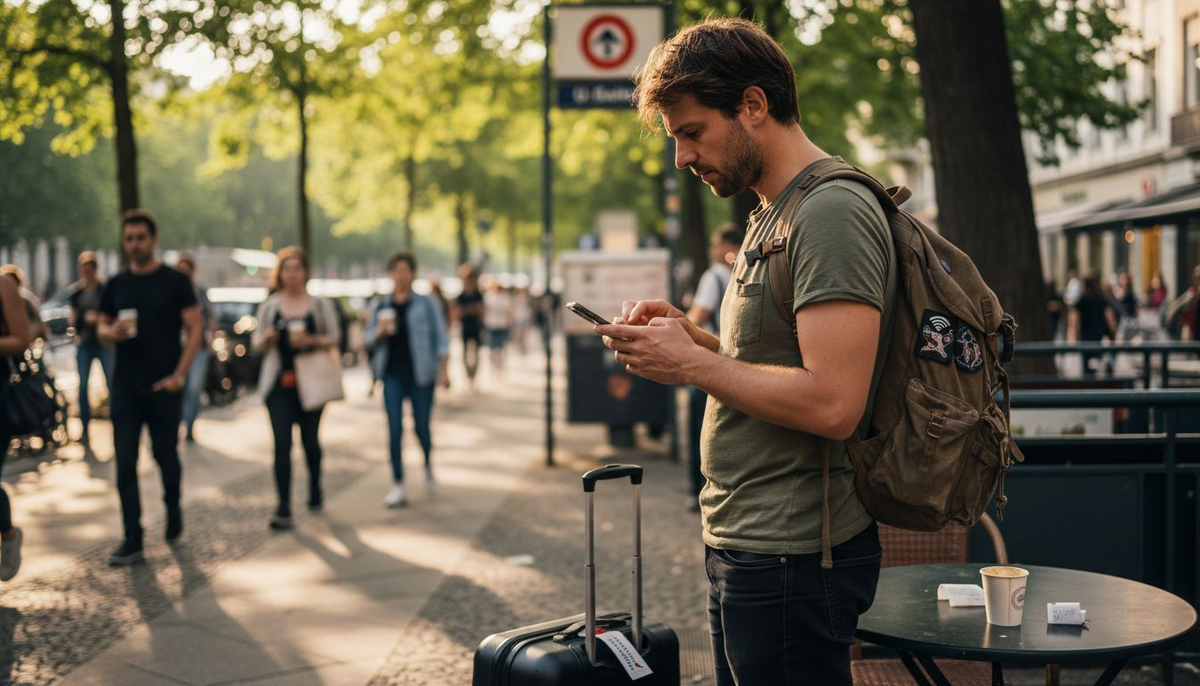
Mobile connectivity for expats, why eSIMs matter
Jumping between countries for work or adventure, many expats find keeping their phone connected in Europe both costly and confusing. Flexible and digital, eSIM technology is quickly changing how expats handle calls, data, and coverage without the hassle of physical SIM cards. This guide looks at how eSIMs can help you avoid high roaming fees, manage plans instantly, and stay connected smoothly across diverse European borders.
Key takeaways
Point
Details
eSIM Advantages
eSIM technology allows for instant activation and easier switching between mobile operators without needing physical SIM cards.
Security and Control
eSIMs offer enhanced security measures, such as strong encryption and remote management, providing users with more control over their connectivity.
Cost-Effective Solutions
eSIMs facilitate predictable pricing and prevent unexpected roaming charges, making them a cost-effective option for frequent travelers.
Device Compatibility
It’s crucial for users to verify their device’s eSIM compatibility prior to travel to ensure seamless activation and connectivity.
eSIMs for expats: Core concepts and myths
Expats today face unprecedented mobile connectivity challenges. eSIM technology is transforming how international travelers access cellular networks, offering unprecedented flexibility and convenience. Understanding these digital SIM cards can help you navigate global communication more effectively.
At its core, an eSIM is a digital alternative to traditional physical SIM cards. Unlike physical SIM cards that require manual swapping, eSIMs are embedded directly into devices and can be remotely provisioned through digital networks. This means expats can activate cellular service instantly without visiting local stores or purchasing physical cards.
Key features of eSIM technology for expats include:
- Instant activation across multiple countries
- No physical card replacement needed
- Easy switching between mobile operators
- Reduced roaming charges
- Support for multiple cellular profiles simultaneously
Contrary to common misconceptions, eSIMs are not less secure than traditional SIM cards. While some privacy concerns exist, major manufacturers and network operators have implemented robust security protocols to protect user data. The technology actually provides more control over cellular profiles and network selection.
eSIMs represent a fundamental shift in how travelers manage mobile connectivity, offering unprecedented flexibility and convenience.
The adoption of eSIM technology is rapidly increasing, with major smartphone manufacturers and telecom providers expanding support worldwide. For expats, this means easier international communication, more transparent pricing, and greater control over mobile networks.
Pro tip: Always check device compatibility and verify global network coverage before relying exclusively on eSIM technology for international travel.
How eSIM solutions work across Europe
eSIM technology is revolutionizing mobile connectivity for expats traveling across European countries. The innovative digital SIM approach allows users to activate affordable mobile plans instantly across multiple European destinations. By eliminating traditional SIM card limitations, expats can now enjoy seamless communication without complex roaming arrangements.
European eSIM solutions operate through a sophisticated remote provisioning system that enables instant network profile downloads. Users can activate cellular service directly on their devices by scanning a QR code or through digital carrier platforms. This process allows for:
- Instant mobile plan activation
- No physical SIM card requirements
- Seamless switching between European mobile networks
- Transparent pricing across different countries
- Multi-profile device capabilities
The European telecom landscape has embraced eSIM technology, with most major operators supporting comprehensive cross-border connectivity. Major smartphone manufacturers have integrated eSIM capabilities, enabling travelers to manage multiple cellular profiles simultaneously. This technological advancement means expats can maintain consistent communication while traversing different European countries without purchasing local SIM cards.
European regulations have been pivotal in supporting eSIM adoption, particularly the elimination of roaming charges within the European Union.
For expats, eSIM solutions offer unprecedented flexibility in managing mobile connectivity. The technology supports both personal and professional communication needs, allowing users to maintain separate profiles for different purposes while traveling across European borders.
Pro tip: Before traveling, verify your device’s eSIM compatibility and research specific European carrier support to ensure smooth mobile connectivity.
Comparing eSIMs, local SIMs, and roaming
Expats and international travelers face complex mobile connectivity choices that can significantly impact their communication and budget. Mobile connectivity options have evolved dramatically, with global travel packages offering unprecedented flexibility for staying connected across borders. Understanding the pros and cons of each approach is crucial for making informed decisions.
Traditional mobile connectivity comes in three primary forms, each with distinct characteristics:
- Local SIMs
- Require physical purchase in destination country
- Provide local phone number
- Often cheapest for extended stays
- Potential language barrier during purchase
- Roaming
- Uses existing mobile plan
- Convenient but typically expensive
- Limited data and potential service restrictions
- eSIMs
- Digital activation without physical card
- Multiple country coverage
- Instant setup
- More cost-effective for frequent travelers
The landscape of international mobile connectivity has transformed with eSIM technology. Unlike local SIMs that require physical swapping or roaming plans with hefty charges, eSIMs offer a seamless digital alternative. Travelers can instantly download mobile profiles, switch between networks, and manage multiple plans without visiting physical stores or dealing with complex roaming agreements.
eSIM technology represents the future of international mobile connectivity, eliminating traditional barriers of physical SIM management and expensive roaming charges.
For expats and frequent travelers, eSIMs provide the most flexible and cost-effective solution. The ability to manage multiple cellular profiles, switch networks instantly, and maintain consistent connectivity across different countries makes eSIMs a game-changing technology in international communication.
Here’s a quick comparison of international mobile connectivity methods for expats:
Method
Activation Process
Pricing Transparency
Best Use Scenario
Local SIM
Buy and insert physical SIM
Often unclear, varies widely
Long-term stays in one country
Roaming
Use home carrier network
Frequently confusing, costly
Short trips, minimal data needed
eSIM
Instant digital download
Clear rates, manage easily
Frequent border crossings, remote
Pro tip: Always research carrier compatibility and device support before relying solely on eSIM technology for international travel.
Costs, security, and managing data plans
Managing mobile data plans for international travel requires careful consideration of costs, security, and flexibility. eSIM technology provides expats with comprehensive global connectivity solutions that address traditional pain points in international mobile communication. Understanding the financial and security implications is crucial for making informed decisions.
Key considerations for eSIM data plan management include:
- Cost transparency
- Predictable pricing structures
- Avoid unexpected roaming charges
- Flexible data package options
- Security features
- Strong encryption protocols
- Remote profile management
- Reduced risk of physical SIM theft
- Data plan flexibility
- Instant activation and deactivation
- Multiple country coverage
- Easy plan switching
Cybersecurity experts highlight the importance of robust protection in digital connectivity. While eSIM technology offers enhanced security compared to traditional SIM cards, users must remain vigilant about potential vulnerabilities. The ability to remotely manage profiles provides an additional layer of protection against unauthorized access and potential data breaches.
eSIM technology represents a significant advancement in securing and managing international mobile connectivity, offering users unprecedented control over their digital communication.
Cost management remains a critical factor for expats. eSIMs enable precise tracking of data usage, allowing travelers to monitor and control expenses more effectively than traditional roaming plans. The ability to purchase localized data packages and switch between providers instantly translates to significant cost savings and greater flexibility.
Pro tip: Always enable two-factor authentication and regularly update your device’s security settings when using eSIM technology for international travel.
Choosing and activating your expat eSIM
Navigating mobile connectivity as an expat requires understanding the nuanced world of digital SIM technologies. International travelers can now access seamless connectivity solutions that eliminate traditional communication barriers, making global communication simpler than ever before.
Before selecting an eSIM, expats should consider several critical factors:
- Device compatibility
- Check smartphone model support
- Verify unlocked device status
- Confirm eSIM activation capabilities
- Coverage requirements
- Assess destination country networks
- Evaluate data plan options
- Compare international packages
- Activation process
- Digital QR code setup
- Online profile management
- Instant network switching
Activation steps for most eSIM providers follow a straightforward digital process. Users typically download their carrier’s app, select a data plan, and scan a provided QR code to configure their device. This eliminates the need for physical SIM card purchases or complex registration procedures typical in traditional mobile plans.
Expats can now manage their mobile connectivity with unprecedented flexibility and control through eSIM technologies.
Choosing the right eSIM requires careful evaluation of personal communication needs. Factors like data volume, duration of stay, and specific regional requirements play crucial roles in selecting an appropriate mobile plan. Modern eSIM solutions offer granular control, allowing users to customize their connectivity experience precisely.
This summary highlights what to check before choosing an eSIM provider:
Criteria
Why It Matters
Example Impact
Device Compatibility
Ensures eSIM will function
Incompatible phones can’t use eSIMs
Global Network Reach
Determines international use
Limited coverage means service gaps
Plan Flexibility
Controls cost, data options
Plan switching saves money abroad
Pro tip: Always perform a compatibility check and download your eSIM provider’s app before international travel to ensure smooth activation.
Unlock seamless global mobile connectivity with KnowRoaming eSIMs
The challenge of managing mobile connectivity as an expat is clear. You want instant access to affordable data plans across multiple countries without the hassle of buying local SIM cards or paying expensive roaming fees. The article highlights how eSIM technology offers flexibility, easy switching between carriers, and cost-effective solutions to maintain reliable communication wherever you go. With KnowRoaming, these benefits become a reality through our user-friendly platform designed specifically for travelers seeking transparent pricing and immediate activation.
Experience true freedom from physical SIM swaps and confusing roaming charges. Discover how you can activate and manage your eSIM effortlessly with KnowRoaming today. Visit our site to explore digital SIM products that cover extensive global destinations and enjoy hassle-free mobile connectivity now. Take control of your international communication and avoid surprises on your bill by choosing our reliable eSIM solutions. Start your seamless expat journey with digital SIMs at KnowRoaming and stay connected worldwide.
よくある質問
Most smartphones support the simultaneous use of both eSIM and physical SIM cards. This dual-SIM functionality provides significant benefits for individuals traveling internationally and those managing multiple phone numbers or data subscriptions.
Navigate to Settings, choose Network and Internet, choose Hotspot and Tethering, and then switch on the Wi-Fi hotspot. You can also choose to connect via USB or Bluetooth. If you connect to the Wi-Fi hotspot, the name will be displayed, and you will need to fill in the password and click on connect.
This will depend on the Android device you have and the version of Android you are running. Mostly, you need to swipe down on your screen and turn on the hotspot from there. Alternatively, you need to go to Settings and follow the prompts.
When public Wi-Fi is unavailable, you can still connect a suitable device to the internet using a mobile hotspot, which is similar to a personal, portable router. It mimics your phone's cellular signal to access the internet, but it doesn't allow you to make or receive calls.
To set up a hotspot on your iPhone, go to Settings and choose Cellular. Next, choose Set Up a Personal Hotspot and follow the instructions on the screen. If your iPhone is set up to use two SIMs, Personal Hotspot will choose the line you select for cellular data automatically.
Unfortunately, this cannot be done on an iPhone. In order for an iPhone to function as a hotspot, even while linked to Wi-Fi, a cellular data connection is necessary. In order to make as much data available as feasible for use as a hotspot on your iPhone, you should attempt to decrease your data usage.
An eSIM is a digital version of a traditional SIM card that is embedded directly into a device. Unlike physical SIM cards that require manual swapping, eSIMs can be remotely provisioned through digital networks, allowing for instant activation and the ability to switch mobile operators easily.
Expats can enjoy various benefits from eSIM technology, including the convenience of instant activation without needing to buy physical SIM cards, the ability to switch between mobile networks easily, and reduced roaming charges while traveling across multiple countries.
Yes, eSIM technology is secure. It incorporates strong encryption protocols and remote profile management features to protect user data. Additionally, it reduces the risk of physical SIM theft, providing greater control over cellular profiles and network selection.
To activate an eSIM, you typically download your carrier’s app, select a data plan, and scan a provided QR code to configure your device. This streamlined process eliminates the need for physical SIM purchases and allows for quick online profile management.