
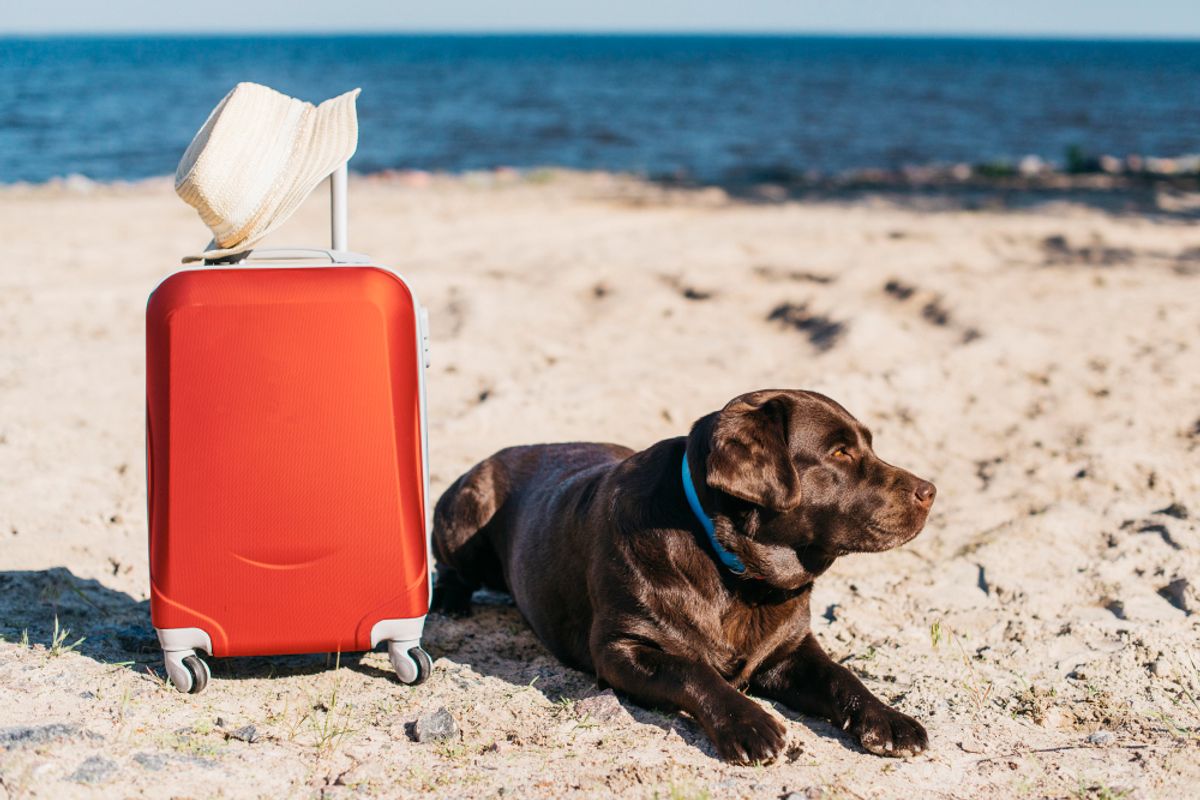
Understanding traveling with pets abroad, a comprehensive guide
Traveling with pets across borders often sounds like a logistical maze. Most people assume paperwork and airline rules are the only real hurdles. But the surprise is that pet owners are willing to spend more and travel further to accommodate their animal companions, reshaping the entire travel industry. What actually matters most is the emotional and cultural impact your pet brings along for the journey.
What traveling with pets abroad entails
Traveling with pets abroad requires careful planning, understanding of international regulations, and thorough preparation to ensure a smooth and stress-free journey for both you and your animal companion. While the prospect might seem overwhelming, knowing the essential requirements can transform this complex process into a manageable adventure.
Understanding Pet Travel Regulations
Each country has unique regulations governing animal entry, making international pet travel a nuanced process. These regulations typically involve several critical components designed to protect public health and animal welfare:
- Health documentation: Most countries require comprehensive medical records and health certificates
- Vaccination verification: Current rabies and other required vaccinations are typically mandatory
- Microchipping: A universal identification method increasingly required for international travel
The primary goal of these regulations is preventing disease transmission and ensuring animals meet specific health standards. Travelers must research destination-specific requirements well in advance, as requirements can vary dramatically between countries and even change seasonally.
Medical and Physical Preparation
Preparing your pet for international travel goes beyond paperwork. Physical readiness is equally crucial. This involves assessing your pet's overall health, potential travel stress, and specific destination conditions:
- Veterinary health check to confirm travel fitness
- Potential medications for travel anxiety or motion sickness
- Acclimatization strategies for different climates and environments
Physical preparation also means selecting appropriate carriers, understanding airline or transportation regulations, and potentially obtaining specific travel permits. Some destinations require quarantine periods or additional health screenings, which can significantly impact travel plans.
Logistical Considerations
Successful pet travel requires meticulous logistical planning. This includes selecting pet-friendly transportation, understanding airline or border crossing requirements, and preparing comprehensive travel kits. Advance planning can mean the difference between a smooth journey and potential travel disruptions.
Travelers should compile a comprehensive travel packet including medical records, vaccination certificates, identification documents, and emergency contact information. Researching pet-friendly accommodations, understanding local veterinary resources at the destination, and having a contingency plan are also critical components of responsible international pet travel.
Why traveling with pets abroad matters
Pet owners increasingly view their animal companions as family members, transforming how we approach travel and creating a growing trend of international pet travel. This shift represents more than a simple trend. It reflects deeper emotional connections between humans and their pets, challenging traditional travel paradigms and creating new opportunities for shared experiences.
Emotional and Psychological Benefits
Traveling with pets offers profound psychological advantages that extend far beyond simple companionship. The emotional bond between humans and their pets can significantly reduce travel-related stress and anxiety. Pets provide comfort in unfamiliar environments, creating a sense of continuity and security that transforms travel experiences:
- Reduced traveler loneliness
- Increased sense of emotional security
- Enhanced mental well-being during international journeys
Research demonstrates that the presence of a familiar animal companion can lower cortisol levels, mitigate travel anxiety, and create more positive overall travel experiences. For many individuals, leaving pets behind feels emotionally challenging, making pet-inclusive travel an increasingly attractive option.
Economic and Social Implications
The rise of pet-friendly travel represents a significant economic phenomenon. Tourism industries worldwide are recognizing pets as critical decision-makers in travel planning. Pet owners are willing to spend more and travel further to accommodate their animal companions, creating new market opportunities:
- Increased demand for pet-friendly accommodations
- Growth of specialized pet travel services
- Expansion of international travel options for pet owners
This trend extends beyond individual travel experiences. It reflects broader societal shifts in how we perceive animal companionship, treating pets as integral family members with their own travel preferences and needs.
Cultural and Personal Enrichment
Traveling with pets offers unique opportunities for personal growth and cultural exchange. Navigating international environments with an animal companion provides rich learning experiences that transcend traditional tourism. Pets become cultural ambassadors, facilitating interactions with local communities and creating unexpected connections.
These journeys challenge travelers to become more adaptable, patient, and culturally sensitive. They transform travel from a simple movement between locations into a deeply meaningful exploration of shared experiences between humans and their animal companions.
Key regulations and requirements for international travel
International pet travel involves navigating a complex landscape of regulations designed to protect animal and human health. These requirements are not arbitrary restrictions but carefully crafted protocols ensuring safe global movement of pets. Understanding these regulations is crucial for responsible pet owners planning international journeys.
Health Documentation and Certification
Health documentation forms the cornerstone of international pet travel regulations. Countries require comprehensive medical records that demonstrate an animal's fitness for travel and potential disease prevention. Key documentation typically includes:
- Official veterinary health certificates
- Complete vaccination records
- Microchip identification details
- Rabies vaccination verification
- Specific country entry permits
Each document serves a critical purpose in establishing the pet's health status and travel eligibility.
Veterinarians play a crucial role in preparing these documents, ensuring they meet specific international standards and destination country requirements.
Vaccination and Medical Requirements
Vaccination protocols represent a fundamental aspect of international pet travel regulations. Different regions have varying requirements, but certain vaccinations are universally recognized as essential:
- Rabies vaccination with documented certification
- Core vaccination documentation for specific species
- Potential additional region-specific vaccination requirements
- Mandatory waiting periods after vaccination
- Potential quarantine considerations
Timing and documentation of vaccinations are equally important as the vaccinations themselves. Many countries require vaccines to be administered within specific timeframes before travel and mandate precise documentation proving their administration.
Breed and Species Specific Regulations
Beyond general health requirements, many countries implement breed-specific regulations that can significantly impact pet travel. Some jurisdictions have strict rules regarding certain dog breeds, potentially requiring additional documentation, muzzle requirements, or even entry restrictions.
These regulations reflect complex considerations involving public safety, potential aggression assessments, and localized legal frameworks. Pet owners must research destination-specific requirements well in advance, recognizing that regulations can vary dramatically between countries and even change with minimal notice.
Understanding health and safety considerations for pets
Traveling internationally with pets involves complex health and safety considerations that extend far beyond simple transportation logistics. Ensuring an animal's physical and psychological well-being during international travel requires comprehensive preparation and strategic planning. Pet owners must approach these journeys with a holistic understanding of potential risks and preventative measures.
Physical Health Preparedness
Physical health represents the foundational aspect of safe pet travel. Comprehensive veterinary assessments are critical in determining an animal's fitness for international journeys. Veterinarians play a crucial role in evaluating potential travel risks and recommending specific health interventions:
- Complete medical examinations before travel
- Assessment of potential travel-related stress impacts
- Evaluation of existing health conditions
- Recommendations for travel-specific medical interventions
- Comprehensive health documentation preparation
Physical preparation involves more than medical clearance. It requires understanding an animal's individual physiological capabilities and potential limitations during extended travel periods. Some pets may have underlying conditions that make international travel challenging or potentially dangerous.
Environmental and Psychological Considerations
Travel environments can significantly impact an animal's psychological and physiological well-being. Different transportation modes and environmental conditions present unique challenges for pets:
- Temperature and pressure variations during air travel
- Potential motion sickness and anxiety
- Unfamiliar sensory experiences
- Restricted movement during transportation
- Potential exposure to new pathogens
Psychological preparedness involves gradual acclimation to travel experiences, understanding an individual pet's stress responses, and implementing strategies to mitigate potential negative impacts. This might include behavioral training, anxiety management techniques, and careful selection of transportation methods.
Risk Mitigation and Emergency Preparedness
Responsible pet travel demands proactive risk management and comprehensive emergency planning. This involves creating detailed contingency strategies that address potential medical, logistical, and environmental challenges.
Effective risk mitigation requires understanding destination-specific health risks, carrying comprehensive medical records, identifying veterinary resources at the destination, and maintaining flexible travel plans that prioritize the animal's well-being. Pet owners must recognize that international travel represents a complex series of potential physiological and psychological challenges for their animal companions.
How to prepare for a successful travel experience
Preparing for international travel with pets requires a comprehensive approach that balances meticulous planning with adaptable strategies. Successful pet travel goes beyond simple logistical arrangements, representing a holistic journey of preparation, understanding, and careful navigation. Pet owners must view this process as an integrated experience that demands emotional, physical, and practical readiness.
Pre-Travel Medical and Documentation Preparation
Medical preparation stands as the foundational element of successful pet travel. A thorough veterinary consultation serves as the critical first step in determining travel feasibility and potential health considerations:
- Comprehensive health assessment and travel fitness evaluation
- Updated vaccination records and health certificates
- Discussion of potential travel-related health risks
- Identification of destination-specific medical requirements
- Preparation of comprehensive medical documentation
This phase involves more than routine medical checks. It requires a nuanced understanding of an individual pet's health profile, potential stress responses, and specific travel challenges. Veterinarians can provide tailored advice addressing unique medical considerations for different animal species and travel contexts.
Psychological and Behavioral Conditioning
Psychological preparation is equally crucial in ensuring a smooth travel experience. Pets require gradual acclimation to travel environments and potential stressors:
- Incremental exposure to travel carriers
- Positive reinforcement training
- Familiarization with transportation equipment
- Stress reduction techniques
- Potential anxiety management strategies
Behavioral conditioning transforms travel from a potentially traumatic experience into a manageable journey. This approach recognizes that each animal has unique psychological responses to unfamiliar environments and requires personalized preparation strategies.
Practical Travel Logistics and Contingency Planning
Successful pet travel demands comprehensive logistical planning that anticipates potential challenges. Effective preparation involves creating flexible, adaptable travel strategies that prioritize the pet's comfort and safety.
This includes selecting appropriate travel carriers, understanding specific transportation regulations, identifying veterinary resources at the destination, and maintaining comprehensive emergency contact information. Pet owners must approach international travel as a complex, multifaceted experience requiring continuous adaptation and proactive problem solving.
Keep your pet connected and stress-free while you travel
Traveling with pets abroad brings unique challenges, from complying with ever-changing regulations to ensuring peace of mind every step of the way. As you manage health certificates, microchipping requirements, and the unpredictability of international travel, maintaining smooth communication is just as vital. The last thing you want is delayed updates or difficulty accessing pet documentation online due to mobile connectivity issues. Your pet deserves your full attention, not hours wasted searching for local SIM cards or struggling with high roaming costs.
What if you could eliminate connectivity worries and focus on your pet's well-being instead?
Choose KnowRoaming for instant global data plans and seamless eSIM activation. Forget roaming charges or SIM swaps, even as you prepare for complex pet travel logistics. Keep your veterinary records, emergency contacts, and health documentation accessible wherever your journey takes you. Take the first step now and make your next pet-inclusive trip smoother and worry-free. Visit KnowRoaming's official site to get started and explore how easy, transparent mobile data supports your pet travel goals.
자주 묻는 질문
Yes, but careful planning is required. Fans following a multi-country itinerary should plan transport, border crossings, and connectivity in advance.
A medium-size suitcase should do, as it is larger than carry-on luggage and offers more space for clothes and other items. The dimensions are between 60x40x25 cm and 70x50x30 cm.
It is entirely possible to learn photography on your own. You might become a top photographer all by yourself these days, thanks to the high-quality digital content available. YouTube, websites like Fstoppers, and paid tutorials provide all the tools you need.
Photographers strive for the golden hour, the hour just before sunset and the hour just after sunrise, for their clients. Often called "the golden hour" or the "magic hour," these periods offer the ideal lighting for taking breathtaking photographs.
Typical components include a laptop, headphones, a portable charger, a wireless router for on-the-go use, a universal adapter, an external hard drive, and any necessary ergonomic add-ons. Digital nomads may get more done in less time, maintain more connections, and adjust to new places with the help of these tools.
When traveling internationally for remote work, digital nomads must have a reliable and efficient VPN. Accessing banned information and websites, like work portals and streaming platforms, is made possible with a virtual private network (VPN) by encrypting your traffic.
Most countries require comprehensive medical records, including official veterinary health certificates, complete vaccination records, microchip identification details, and rabies vaccination verification.
Preparing your pet involves a veterinary health check to confirm fitness for travel, potential medications for anxiety or motion sickness, and gradual acclimatization to carriers and travel environments.
Yes, many countries have breed-specific regulations that may include additional documentation, muzzle requirements, or entry restrictions for certain dog breeds. Researching your specific destination's rules is essential.
Your travel packet should include medical records, vaccination certificates, identification documents, emergency contact information, and details of local veterinary services at your destination.
Ready to go? Browse KnowRoaming plans by destination and add one to your eSIM before you fly.