
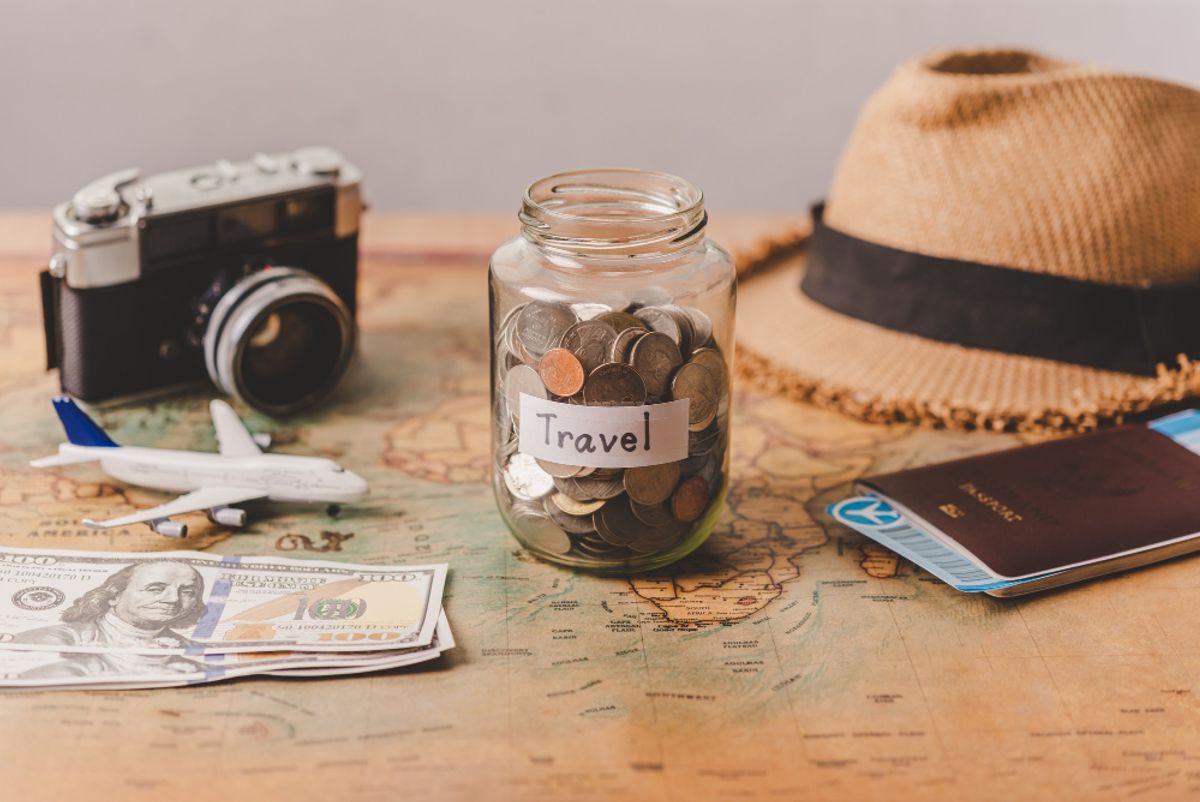
How to travel on a budget, unlock affordable adventures
Dreaming of epic travels without draining your bank account is more possible than you think. Over 80 percent of travelers admit their biggest barrier is not time, but money. Yet savvy explorers are building unforgettable adventures by following a few simple, research-backed strategies. If you think travel is always expensive, you might be looking in the wrong places.
Step 1: Set your travel budget and goals
Planning an affordable adventure starts with understanding your financial boundaries and travel aspirations. Budget travel isn't about limiting your experiences but strategically allocating your resources to maximize enjoyment while minimizing expenses.
Begin by conducting an honest financial assessment. Review your current savings and determine how much you can realistically allocate toward travel without compromising your essential financial responsibilities. Pro tip: Aim to save 10-15% of your monthly income specifically for travel goals. This approach ensures you're building a travel fund without creating financial strain.
Define your travel objectives with precision. Are you seeking a weekend getaway, an extended international trip, or a series of shorter adventures? Each goal requires different financial planning strategies. Consider factors like destination costs, transportation expenses, accommodation preferences, and daily spending needs. Research average costs for your target destinations to create a more accurate budget projection.
Utilize digital budgeting tools and apps that can help track your savings and expenses. Platforms like Mint or YNAB can help you visualize your financial progress and maintain discipline in your savings strategy. These tools often provide features specifically designed for travel budgeting, allowing you to set specific savings goals and monitor your progress.
Remember that flexibility is key in budget travel planning. Your initial budget might need adjustments as you research and discover new opportunities. Maintain a buffer of 10-15% in your travel fund for unexpected expenses or spontaneous experiences. This approach allows you to embrace travel opportunities without financial stress.
By the end of this step, you should have:
- A clear total budget for your travel
- Specific savings targets
- Identified potential destinations matching your budget
- A basic understanding of expected expenses
Successful budget travelers understand that preparation is the foundation of affordable adventures. Your careful planning now sets the stage for incredible experiences without breaking the bank.
Step 2: Research budget-friendly destinations
After establishing your budget, the next critical step in affordable travel is identifying destinations that align with your financial constraints. Smart destination research can dramatically reduce your overall travel expenses and unlock incredible experiences without draining your savings.
Start by exploring regions known for offering exceptional value. Southeast Asia, parts of Eastern Europe, and Central America consistently rank as budget traveler paradises. Countries like Vietnam, Thailand, Cambodia, Poland, Romania, Guatemala, and Nicaragua offer rich cultural experiences, stunning landscapes, and incredibly affordable living costs. Aim to research destinations where your dollar stretches significantly further than traditional tourist hotspots.
Leverage online resources to compare destination costs comprehensively. Websites like Numbeo and Budget Your Trip provide detailed cost breakdowns for accommodations, food, transportation, and entertainment across global destinations. These platforms allow you to input your specific budget and receive realistic estimates of daily expenses. Pay special attention to factors beyond initial travel costs, such as local food prices, public transportation rates, and average accommodation expenses.
Consider traveling during shoulder seasons when destinations offer similar experiences at dramatically reduced prices. The periods just before or after peak tourist seasons often provide more affordable rates for flights, accommodations, and attractions. For instance, visiting Southeast Asian countries during the early or late monsoon seasons can result in substantial savings while still offering enjoyable travel experiences.
Utilize budget travel search engines and comparison tools to uncover hidden deals. Platforms like Skyscanner and Kayak allow you to explore flexible date and destination options, helping you identify the most cost-effective travel opportunities. These tools often feature price prediction algorithms that can help you determine the optimal booking window for maximum savings.
By the end of this step, you should have:
- A list of 3-5 potential destinations matching your budget
- Estimated daily expenses for each location
- Understanding of seasonal price variations
- Preliminary research on local cost of living
Remember, budget travel is about smart planning and flexibility. Your thorough research now sets the foundation for an incredible, affordable adventure.
Step 3: Book affordable flights and accommodations
With your budget and destination research complete, the next crucial step is securing cost-effective transportation and lodging. Strategic booking can significantly reduce your travel expenses and set the foundation for an economical adventure.
Flight booking requires a mix of timing, flexibility, and smart technology. Begin by setting up price alerts on platforms like Skyscanner and Google Flights to track price fluctuations for your target destinations. Midweek flights, particularly those on Tuesdays and Wednesdays, often feature lower prices compared to weekend travel. Consider alternative airports near your destination, as they might offer substantially cheaper routes. Budget airlines and connecting flights can dramatically reduce your transportation costs, though be sure to factor in additional fees for baggage or seat selection.
Accommodation strategies extend far beyond traditional hotel bookings. Explore diverse lodging options that combine affordability with unique experiences. Hostels, guesthouses, and budget hotels provide excellent cost-effective alternatives to expensive resorts. Platforms like Airbnb, Hostelworld, and Booking.com offer extensive filtering options to match your budget precisely. Consider staying slightly outside city centers, where accommodation prices drop significantly while still providing convenient transportation access. Homestays and work exchange programs like Couchsurfing or WWOOF can also provide free or extremely low-cost lodging in exchange for minimal work or cultural engagement.
Implement a comprehensive comparison approach when booking. Use meta-search engines that aggregate prices across multiple platforms, ensuring you capture the most competitive rates. Some credit cards and travel rewards programs offer additional discounts or points that can further reduce your travel expenses. Booking refundable rates provides flexibility if your plans change, though carefully review cancellation policies to avoid unexpected fees.
By the end of this step, you should have:
- Confirmed flight bookings at competitive prices
- Selected affordable accommodation matching your budget
- Understood all associated fees and booking conditions
- Documented total transportation and lodging expenses
Remember that patience and thorough research are your greatest tools in securing budget-friendly travel arrangements. Your diligence now translates into significant savings during your adventure.
Step 4: Plan an itinerary with cost-saving activities
Crafting a budget-friendly travel itinerary requires creativity and strategic planning. Your goal is to maximize experiences while minimizing expenses, transforming potential financial limitations into opportunities for authentic exploration.
Free walking tours emerge as an exceptional way to discover destinations without breaking the bank. Many major cities offer professionally guided tours where payment is based on tips, allowing you to control your spending while gaining deep local insights. Research local tourism websites and apps like Free Walking Tour to identify these opportunities. Community parks, public museums with free admission days, and local markets provide rich cultural experiences at minimal or no cost. City tourist boards often publish comprehensive lists of complimentary attractions that budget travelers can leverage.
Technology becomes your strategic ally in planning cost-effective activities. Platforms like Viator and GetYourGuide frequently offer discounted group activities and last-minute deals. Local event websites and social media community groups can reveal free concerts, festivals, and cultural events happening during your travel dates. Consider timing your visit to coincide with local festivals or events that provide entertainment without additional expenses. Public libraries and community centers often host free cultural programs that offer genuine local experiences.
Transportation planning plays a crucial role in maintaining your budget. Many cities offer affordable day passes for public transportation that can significantly reduce movement costs. Research whether walking or cycling might be more economical than using taxis or ride-sharing services. Some destinations provide free bicycle rentals or have extensive pedestrian-friendly infrastructure that allows you to explore extensively without spending money on transportation.
By the end of this step, you should have:
- A detailed itinerary with cost-effective activities
- List of free or low-cost attractions
- Mapped transportation routes using public options
- Estimated daily activity expenses
Remember that the most memorable travel experiences often come from unexpected discoveries and local interactions, not expensive tourist traps. Your thoughtful planning transforms budget constraints into opportunities for authentic adventure.
Step 5: Pack smart to avoid unnecessary fees
Effective packing is more than an organizational skill it's a strategic approach to minimizing travel expenses. Airlines and transportation services increasingly charge hefty fees for oversized or overweight luggage, making intelligent packing a critical component of budget travel.
Master the art of minimalist packing by selecting versatile clothing items that can be mixed and matched. Choose neutral colors and lightweight fabrics that can be layered, washed easily, and worn multiple times. Aim to pack clothing that can transition between day and night activities, reducing the total number of items you need to carry. Compression bags and packing cubes can help maximize space while keeping your belongings organized and wrinkle-free. Many budget travelers successfully travel for weeks using only a carry-on sized bag, avoiding checked baggage fees entirely.
Understand airline and transportation baggage policies meticulously before your trip. Each carrier has unique weight and size restrictions, and fees can vary dramatically. Some airlines offer free carry-on bags, while others charge for both checked and carry-on luggage. Kayak and airline websites provide detailed baggage policy information that can help you plan precisely. Consider investing in a lightweight, soft-sided carry-on bag that can flex to meet varying size requirements. Some travel credit cards and frequent flyer programs offer baggage fee waivers, providing an additional opportunity for savings.
Technology and travel accessories can help you pack more efficiently and avoid additional charges. Portable luggage scales allow you to weigh your bag before arriving at the airport, preventing unexpected fees. Choose multi-purpose travel gear like jackets with multiple pockets, which can reduce the need for additional bags. Consider wearing your bulkiest items during travel to save space and weight in your luggage.
By the end of this step, you should have:
- A carefully curated, lightweight packing list
- Understanding of specific airline baggage policies
- Strategies to minimize luggage weight and size
- Plan to avoid potential overweight or oversized baggage fees
Remember, smart packing is an art form that combines practicality, versatility, and strategic thinking. Your thoughtful approach can save significant money and reduce travel stress.
Step 6: Review and adjust your expenses while traveling
Maintaining financial control during your trip requires continuous monitoring and strategic adjustments. The most successful budget travelers remain flexible and proactive about their spending, treating their travel budget as a dynamic tool rather than a rigid constraint.
Digital budgeting apps become your financial compass during travel. Applications like Trail Wallet and Mint allow real-time expense tracking across different currencies. Record every expenditure immediately after it occurs, categorizing spending into transportation, food, accommodation, and miscellaneous expenses. This practice helps you identify potential overspending patterns quickly and make immediate corrections. Some apps even provide visual graphs showing your daily spending against your preset budget, offering instant insights into your financial trajectory.
Establish a daily spending threshold that provides a clear financial guardrail during your journey. If you discover you are consistently exceeding your planned budget, implement immediate cost-cutting strategies. These might include switching to more affordable meal options, utilizing free walking tours instead of paid experiences, or selecting budget-friendly transportation alternatives. Local markets and street food often provide delicious, authentic experiences at a fraction of restaurant prices. Flexibility becomes your greatest asset when managing travel expenses in real-time. Be prepared to modify your itinerary if certain activities prove more expensive than anticipated.
Make strategic use of local currency and payment methods to minimize transaction fees. Research which credit cards offer low or no foreign transaction fees before your trip. Many travel-focused credit cards provide additional benefits like cash back or travel rewards. Consider carrying a mix of payment methods cash for small transactions and cards for larger purchases to provide financial flexibility and security.
By the end of this step, you should have:
- A comprehensive record of daily expenses
- Clear understanding of spending patterns
- Identified areas for potential cost reduction
- Adjusted travel plans to align with budget constraints
Unlock true budget travel savings with KnowRoaming
Traveling on a budget means paying close attention to every dollar, whether you are booking flights, choosing accommodations, or simply trying to avoid surprise travel fees. Roaming charges and unreliable connectivity can quickly eat into your hard-earned savings, leaving you with less cash for the experiences you actually care about. The article covers essential steps like packing smart, maintaining your expenses in real time, and finding the best deals. One thing that should never catch you off guard during your adventure is expensive international mobile data.
Never let unpredictable mobile costs ruin your travel budget again. With KnowRoaming's eSIM solutions, you get instant digital SIM activation, transparent flat-rate pricing, and coverage in countries all around the world. Whether you are tracking expenses on your favorite app or planning your next move in a new city, stay connected everywhere and keep control over your costs. Visit KnowRoaming now to discover low-cost, flexible travel data plans and travel smarter on your next affordable adventure.
Veelgestelde vragen
How to use an eSIM while backpacking is surprisingly simple. First, ensure your phone is unlocked and eSIM-compatible. Then, download the provider's app (like KnowRoaming's). You can choose your plan and add the eSIM digitally through the app, often by scanning a QR code. Once added, just enable data roaming for your eSIM, and you're ready to go, no physical cards or airport kiosks needed.
No swapping SIM cards, no kiosk queues at the airport, set it up once and it's ready every time after.
With KnowRoaming, setup takes less than five minutes. Using the automatic setup in the KnowRoaming app, you can download and add your eSIM in just a few taps. This makes it one of the fastest and most reliable ways to get connected before your trip.
Simply add the eSIM profile on your unlocked, eSIM-compatible device before you travel. Once you arrive in a supported country, turn on your eSIM, and you'll be connected!
Absolutely, in fact, that’s what we recommend.
If you delete the eSIM profile from your phone, it can no longer connect to the network on that plan, although the plan itself is not canceled. To get it back, rescan the QR code you were sent with your eSIM purchase, or re-add it from the KnowRoaming app, and you can be up and running again quickly.
Begin by assessing your financial status and determining how much you can save each month for travel. Aim to set aside 10-15% of your income for travel goals. Research your desired destinations to create a realistic budget that includes accommodations, transportation, food, and activities.
Consider visiting regions known for affordability, such as Southeast Asia, parts of Eastern Europe, and Central America. Countries like Vietnam, Poland, and Guatemala often provide excellent value with rich cultural experiences at lower costs compared to more popular tourist destinations.
To find budget-friendly flights, set up price alerts on travel search engines, be flexible with your travel dates, and consider alternative airports. Booking midweek flights and using budget airlines can also help reduce costs significantly.
Master minimalist packing by choosing versatile clothing items, using compression bags, and understanding airline baggage policies. Consider traveling with only a carry-on bag to avoid checked baggage fees, and wear your bulkiest clothes during travel to save space in your luggage.
Need the exact taps for your phone? See adding your eSIM on iPhone, adding your eSIM on Android, or adding your eSIM on Samsung.