
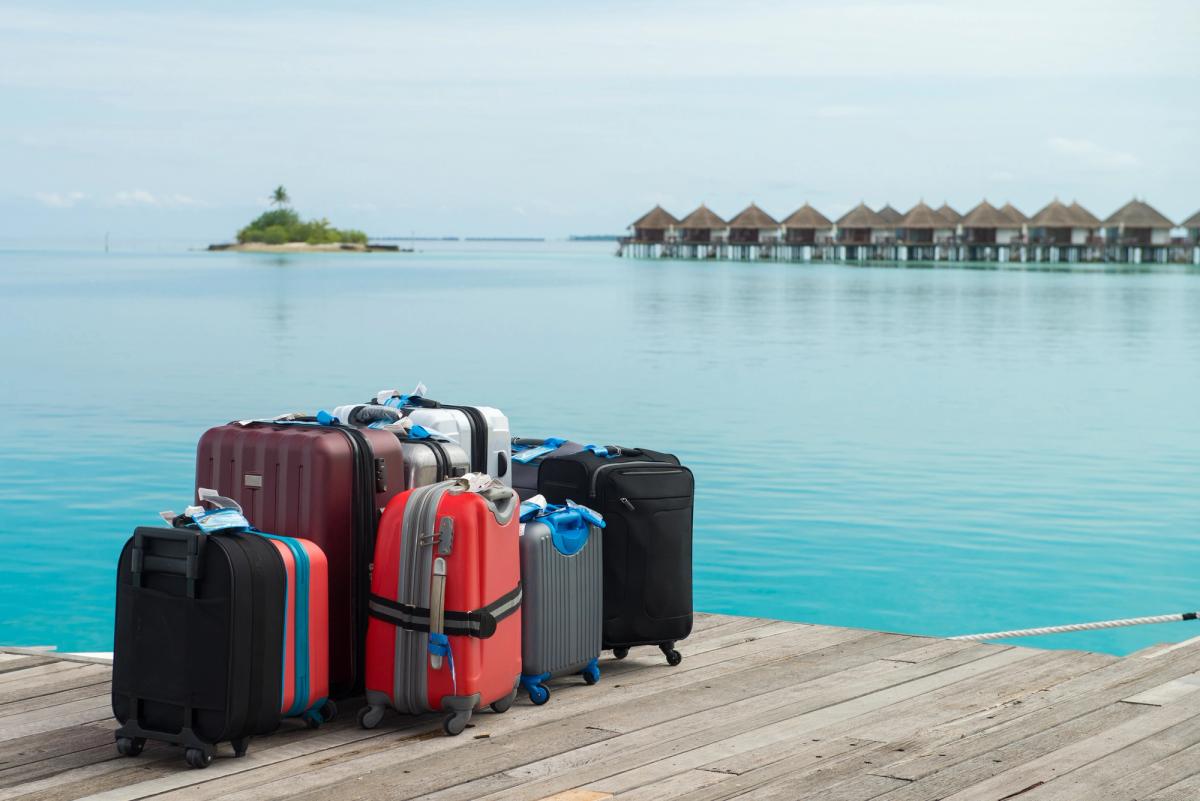
14 packing tips for international travel, smart and simple advice
Packing for an international trip can feel like preparing for a mission. Most travelers worry about forgetting something important and end up cramming way too much into their suitcases. But here is what might surprise you. Overpacking actually backfires and creates new problems. Studies show that nearly 70 percent of travelers admit they bring items they never use while abroad. Smarter packing is not just about making room for souvenirs. It is about saving money, avoiding stress, and letting you enjoy the world with a lighter load.
Essential packing list for global travelers
Packing for international travel requires strategic planning and thoughtful preparation. A well-curated packing list can transform your travel experience from stressful to seamless, ensuring you have everything necessary while avoiding unnecessary baggage weight and potential complications.
Document Organization and Digital Safety
Your travel documents form the critical foundation of international travel preparedness. Before departure, create digital and physical copies of essential documents including your passport, driver's license, travel insurance details, and emergency contact information. Store digital copies securely in encrypted cloud storage and keep physical copies in a separate location from your originals. Consider using password-protected digital wallets or secure cloud services that allow offline access.
A portable travel wallet or document organizer can help maintain order and protect your critical paperwork from damage. Look for options with RFID blocking technology to prevent electronic pickpocketing and potential identity theft. Some travelers prefer minimalist document holders that can be worn under clothing, providing an extra layer of security in crowded or unfamiliar environments.
Versatile Clothing and Practical Accessories
Building a travel wardrobe requires careful consideration of versatility, comfort, and adaptability. Select clothing items that can be mixed and matched, creating multiple outfits from a limited number of pieces. Choose wrinkle-resistant, quick-drying fabrics that can be easily washed and dried overnight. Neutral colors like black, gray, and navy provide maximum outfit combinations and help you blend in more easily in different cultural contexts.
Accessories can dramatically enhance your travel experience. Pack a lightweight, compact travel adapter compatible with multiple electrical socket types. Compression packing cubes help maximize suitcase space and keep clothing organized. Consider moisture-wicking, multi-purpose clothing items that transition smoothly between different activities and environmental conditions. A lightweight, packable rain jacket and a versatile scarf can provide both practical protection and style flexibility.
Technology and Communication Essentials
Modern international travelers rely heavily on technology for navigation, communication, and documentation. A portable battery pack with multiple charging ports ensures your devices remain powered during long travel days. Select a power bank with sufficient capacity to recharge smartphones, tablets, and other essential electronics multiple times.
Prioritize unlocked smartphones that support international SIM cards or eSIM technology. This allows you to purchase local data plans easily and avoid expensive roaming charges. Download offline maps, translation apps, and communication tools before departure to maintain connectivity even without immediate internet access.
Packing for international travel is an art form that balances preparedness with flexibility. By focusing on versatile, multi-functional items and maintaining organized, secure documentation, you can create a travel experience that is both comfortable and stress-free. Remember that the goal is not to pack everything you might need, but to pack smartly and efficiently, leaving room for unexpected adventures and spontaneous experiences.
Smart luggage choices and packing techniques
Selecting the right luggage and mastering efficient packing techniques can dramatically improve your international travel experience. The right approach transforms travel from a logistical challenge into a smooth, enjoyable journey.
Choosing the Perfect Travel Bag
Modern travelers need luggage that balances durability, weight, and functionality. Hard-shell suitcases with lightweight polycarbonate construction offer superior protection for electronics and fragile items while remaining remarkably lightweight. Look for bags with multi-directional spinner wheels that provide smooth maneuverability across different surfaces, from airport terminals to cobblestone streets.
Consider the type of travel you will be doing when selecting luggage. Frequent international travelers benefit from carry-on bags that maximize airline size restrictions while providing maximum storage capacity. Opt for bags with integrated compression systems, multiple compartments, and water-resistant exteriors. Some advanced luggage designs now include built-in weight sensors, USB charging ports, and GPS tracking capabilities, adding an extra layer of convenience and security.
Strategic Packing Methodology
Effective packing is an art form that requires planning and systematic organization. Utilize packing cubes to create modular storage systems within your luggage. These lightweight fabric containers allow you to separate clothing types, compress items, and maintain organization throughout your journey. The roll-versus-fold technique can significantly increase packing efficiency. Rolling clothes not only minimizes wrinkles but also creates more usable space within your luggage.
Prioritize versatile clothing items that can be mixed and matched across multiple outfits. Select fabrics that are wrinkle-resistant, quick-drying, and appropriate for various climate conditions. Pack neutral color palettes that allow for easy coordination and minimize the total number of clothing items needed. Consider the layering principle when selecting travel clothing, allowing you to adapt to changing temperatures and environments.
Weight Management and Security Strategies
Weight management is crucial for international travelers. Most airlines impose strict weight limitations, and overweight baggage can result in significant additional fees. Invest in a reliable portable luggage scale to verify your bag's weight before departing. Distribute heavy items strategically across your luggage to maintain balance and prevent strain on zippers and handles.
Security remains a paramount concern for international travelers. Select luggage with integrated TSA-approved locks, tamper-resistant zippers, and durable construction. Consider bags with RFID-blocking pockets to protect digital information from potential electronic theft. Some travelers opt for anti-theft backpacks or messenger bags with hidden compartments and slash-resistant materials.
Ultimately, smart luggage choices and packing techniques are about creating flexibility and reducing travel stress. By investing in quality gear and developing a systematic approach to packing, you transform potential logistical challenges into seamless travel experiences. The goal is not just transporting belongings but creating a mobile, adaptable personal system that supports your international adventures.
Remember that the best luggage is the one that disappears into the background, allowing you to focus on the excitement of exploration and discovery. Thoughtful preparation becomes your passport to smoother, more enjoyable international travel.
Travel tech and security essentials
Navigating international travel requires strategic technology management and robust security protocols. Modern travelers must balance digital connectivity with personal safety, ensuring their devices and personal information remain protected while staying connected across global networks.
Device Preparation and Connectivity
Before international travel, prepare your digital ecosystem with careful planning and proactive security measures. Start by performing comprehensive device backups and enabling remote tracking and wiping capabilities on smartphones and laptops.
Add robust antivirus software and ensure all applications are updated to their latest versions, closing potential security vulnerabilities.
Consider carrying a dedicated travel smartphone or preparing your primary device for international use. Unlock your smartphone to enable international SIM card compatibility and explore eSIM technology for seamless global connectivity. Download offline maps, translation apps, and communication tools that function without continuous internet access. Research local cellular network compatibility and consider purchasing local data plans to minimize roaming charges.
Digital Security and Privacy Protocols
Protecting your digital identity becomes paramount when traveling internationally. Use virtual private network (VPN) services to encrypt internet connections and shield your online activities from potential cyber threats. Select VPN providers offering robust encryption, multiple server locations, and no-logging policies. Enable two-factor authentication on all critical accounts including email, banking, and social media platforms.
Create complex, unique passwords for each digital account and consider using reputable password management applications that generate and securely store randomized credentials. Carry minimal digital information while traveling, removing unnecessary sensitive documents from devices and storing critical information in secure cloud storage with advanced encryption.
Emergency Communication and Backup Strategies
Develop a comprehensive communication strategy that ensures connectivity during unexpected situations. Carry portable battery banks with sufficient capacity to recharge multiple devices multiple times. Select power banks with fast-charging capabilities and multiple port options to support various device types. Include international charging adapters compatible with multiple electrical socket configurations.
Maintain physical and digital copies of critical documents including passport information, travel insurance details, and emergency contact lists. Store digital copies in secure, encrypted cloud services accessible offline. Consider creating a travel communication folder that includes digital scans of important documents, critical contact information, and emergency protocol instructions.
Technology management during international travel transcends simple device protection. It represents a holistic approach to maintaining personal security, communication effectiveness, and digital resilience. By implementing strategic preparation techniques and maintaining vigilant security practices, travelers can navigate complex global environments with confidence and peace of mind.
Remember that your digital toolkit is more than a collection of devices. It is your lifeline to communication, navigation, and support systems while exploring the world. Thoughtful preparation transforms potential technological challenges into seamless travel experiences.
Cultural and climate considerations abroad
Successful international travel requires more than just logistical preparation. Understanding cultural nuances and climate variations can transform your journey from a simple trip to a deeply enriching experience that respects local traditions and prepares you for diverse environmental conditions.
Cultural Awareness and Respectful Travel
Cultural intelligence begins with fundamental research about your destination. Before traveling, invest time understanding local customs, communication norms, and social expectations. This preparation goes beyond superficial knowledge and involves developing genuine respect for different societal structures. Learn basic phrases in the local language, understand greeting protocols, and familiarize yourself with appropriate dress codes that demonstrate cultural sensitivity.
Nonverbal communication varies dramatically across cultures. Gestures considered friendly in one country might be offensive in another. Study local body language, personal space expectations, and social interaction norms. Some cultures value direct communication, while others prioritize indirect and nuanced interactions. Understanding these subtleties helps travelers navigate social situations with grace and minimize potential misunderstandings.
Climate Adaptation and Practical Preparation
Effective travel preparation requires comprehensive climate research. Different regions present unique environmental challenges that demand specialized clothing and equipment. Investigate seasonal temperature ranges, precipitation patterns, and potential extreme weather conditions. Pack clothing that can be layered, allowing flexibility across varying temperatures and microclimates.
Select fabrics that provide practical advantages in specific environments. Moisture-wicking materials work well in humid tropical regions, while quick-drying synthetic fabrics are ideal for destinations with unpredictable weather. Consider technical outdoor clothing that offers sun protection, temperature regulation, and durability. Pack lightweight, packable rain gear and versatile jackets that can adapt to multiple weather scenarios.
Sustainable and Responsible Travel Strategies
Responsible travelers recognize their impact on local environments and communities. Choose travel strategies that minimize ecological footprints and support local economies. Utilize public transportation systems, which reduce individual carbon emissions and provide authentic local experiences. Select accommodations that demonstrate environmental commitment and community engagement.
Pack reusable items like water bottles, shopping bags, and compact utensils to reduce single-use plastic waste. Research local recycling practices and waste management systems to ensure responsible consumption. Consider supporting local businesses, artisans, and sustainable tourism initiatives that directly benefit community development.
Successful international travel transcends geographical movement. It represents an opportunity for cultural exchange, personal growth, and global understanding. By approaching travel with curiosity, respect, and preparedness, you transform potential challenges into meaningful connections.
Remember that adaptability is your greatest travel asset. Every unexpected situation becomes an opportunity to learn, connect, and expand your worldview. Approach each journey with an open mind, recognizing that cultural differences are not obstacles but invitations to deeper human understanding.
Stop worrying about global connectivity when you pack
Every international traveler knows how stressful it can be to organize everything for a big trip. You want to keep your suitcase light, but you also need to stay connected for navigation, bookings and keeping in touch with loved ones. Packing tips help minimize stress and overpacking, but they cannot prevent unexpected roaming charges or SIM card headaches when you land.
Take full control of your travel experience with a smarter solution. With KnowRoaming's eSIM technology, you do not need to swap SIMs or hunt for local cards. Instead, you can manage your data instantly in over 200+ destinations, skip surprise roaming charges and set up your connection before you even board your flight. Frequent travelers, business professionals and digital nomads trust KnowRoaming for hassle-free, transparent pricing and easy activation. Visit KnowRoaming now and stop letting mobile worries hold you back from truly enjoying your trip. Act today to travel lighter and stay connected wherever you go.
Ready to go? Browse KnowRoaming plans by destination and add one to your eSIM before you fly.
Perguntas Frequentes
Being able to accurately recount stories about the country or other topics is essential for tour guides, as they serve as cultural ambassadors. The most critical thing is that they convey it in a positive manner that can make the tourists happy.
An excellent tour guide is someone who has extensive knowledge of the area, excellent communication skills, a great sense of humor, is always on time, and manages their time very well.
At present, Singapore consistently ranks at the top of the list as one of the safest places to travel with family due to its low crime rates, stable political climate, and suitability for families.
Going on a solo trip has multiple mental health benefits, including lowering stress and despair and increasing happiness (thanks to the endorphins) released into the bloodstream.
Avoid reckless behaviors and use common sense. Avoid going anywhere alone with a stranger and if you feel uncomfortable, walk into a public place or catch up with a large group of people.
Many people are wary of international travel, but traveling throughout the world is quite safe. However, there are safety precautions that every traveler should employ.
To effectively organize your travel documents, create digital and physical copies of essential items like your passport, travel insurance, and emergency contacts. Use a portable travel wallet or document organizer to keep everything neat and secure.
It's best to pack versatile, wrinkle-resistant clothing that can be mixed and matched to create various outfits. Choose neutral colors for easy coordination and opt for quick-drying fabrics to minimize luggage weight and adapt to different environments.
When choosing luggage, look for lightweight, durable materials, and features like multi-directional wheels, built-in weight sensors, and compartments for organization. Ensure it complies with airline size restrictions, especially for carry-on bags.