
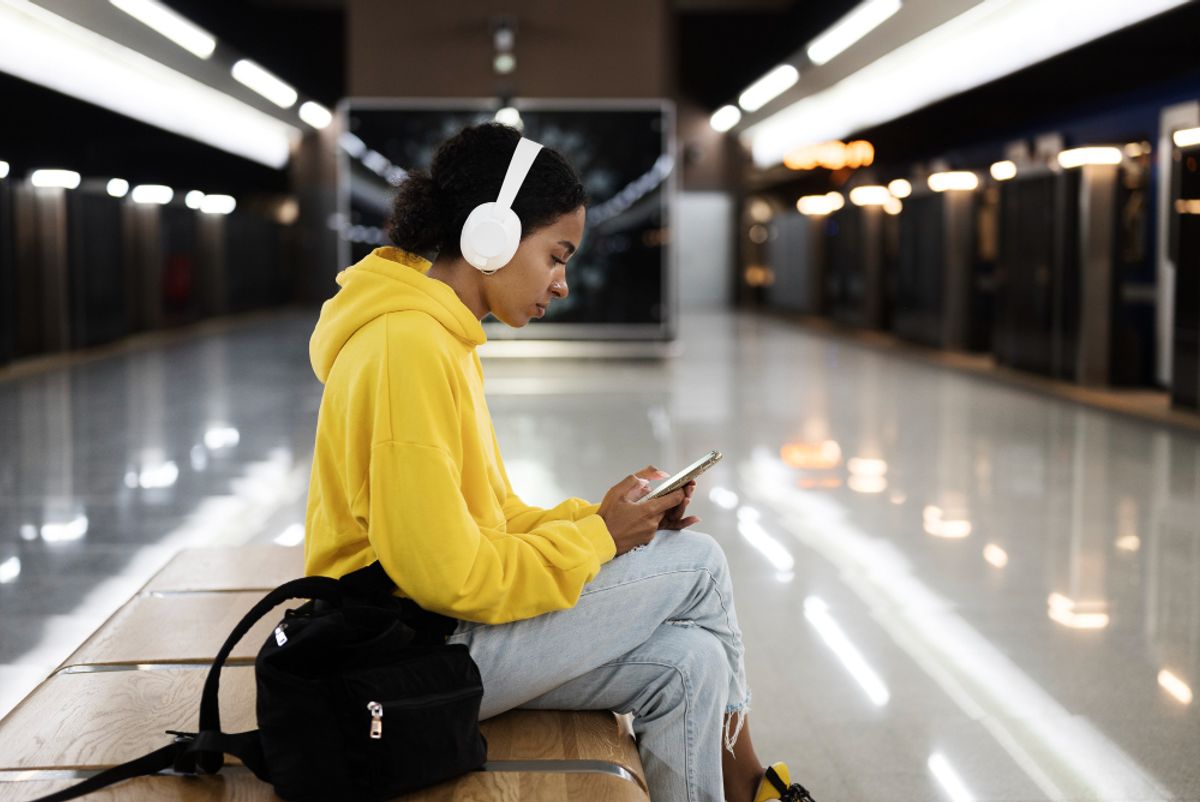
10 essential tips for solo travelers to stay safe
Solo travel is picking up speed, with one in four travelers now choosing to explore the world on their own. Most people assume that heading out alone is risky business where every new place comes with hidden dangers just around the corner. The real surprise is that solo travel can actually be safer than most think when you use smart strategies, here’s how you can turn the odds in your favor and discover just how prepared you can be.
1: Research your destination before you go
Solo travelers need a strategic approach to trip planning, and thorough destination research is the foundation of a safe and successful journey. Knowing your destination inside and out can mean the difference between a smooth adventure and a challenging experience. This preparation goes far beyond checking weather conditions or tourist attractions.
Before embarking on your trip, gather comprehensive information about your destination's current situation, cultural norms, and potential safety considerations. Your research should cover multiple critical aspects that can impact your travel experience.
Key areas to investigate include:
- Political stability of the region
- Current health advisories and vaccination requirements
- Cultural expectations and dress codes
- Safety ratings for tourists in specific areas
- Local laws and regulations that might differ from your home country
Travel websites, government advisory platforms, and reputable travel forums offer valuable insights into local conditions. The U.S. Department of State travel advisories provide updated information on potential risks in different countries, ranging from minor cautions to severe travel warnings.
Language preparation is another crucial element of destination research. Learn basic phrases, understand communication norms, and consider downloading translation apps. Knowing how to ask for help, express basic needs, and navigate simple interactions can significantly enhance your safety and travel experience.
Finally, connect with other travelers through online communities and forums. Personal experiences and recent traveler reports can offer nuanced insights that official resources might miss. Real traveler stories can provide practical advice and help you anticipate potential challenges unique to your specific destination.
Remember, comprehensive research transforms uncertainty into confidence, allowing you to travel smarter and safer as a solo adventurer.
2: Stay in safe accommodations
Choosing the right accommodation is more than finding a place to sleep. For solo travelers, safety becomes the primary consideration when selecting where to rest and recharge during your journey. Your accommodation can significantly impact your overall travel experience and personal security.
Begin by thoroughly researching potential lodging options. Look beyond attractive photos and read multiple reviews from verified travelers. Pay special attention to safety-related comments about neighborhood conditions, staff responsiveness, and overall security infrastructure.
Consider these critical factors when selecting accommodations:
- Location proximity to well-lit, populated areas
- Availability of 24-hour front desk service
- Electronic room entry systems
- Secure storage options for valuables
- Positive safety ratings from recent travelers
Digital tools can be incredibly helpful in your search for secure accommodations. Utilize reputable booking platforms that provide detailed safety ratings, verified reviews, and transparent information about property security features. Look for properties with multiple layers of security, such as surveillance cameras, restricted access areas, and professional security personnel.
As a solo traveler, consider additional personal safety strategies. Request a room between the second and sixth floors, which are typically more secure than ground-level rooms. Always inspect your room upon arrival, checking window locks, verifying the functionality of door security mechanisms, and ensuring you have a clear exit path.
Trust your instincts throughout the selection and check-in process. If something feels uncomfortable or unsafe about a potential accommodation, do not hesitate to seek alternative options. Your personal safety is always more important than saving money or avoiding momentary inconvenience.
Remember that investing time in carefully selecting your accommodation can dramatically reduce potential risks and provide peace of mind during your solo travel adventure.
3: Keep important documents secure
Managing important documents is a critical aspect of solo travel safety that can prevent significant complications if something goes wrong. Losing your passport or critical travel documents can quickly transform a dream trip into a nightmare. Smart travelers understand that document protection requires a comprehensive and proactive approach.
Digital and physical backup strategies are essential for protecting your critical travel documents. Modern technology offers multiple ways to safeguard your information and ensure you can recover quickly in case of loss or theft.
Key documents to secure include:
- Passport and visa copies
- Travel insurance information
- Emergency contact details
- Credit card backup information
- Medical prescription documentation
Create digital backups by scanning or photographing all important documents. Store these encrypted copies in secure cloud storage services that offer robust protection. Choose platforms with two-factor authentication and strong privacy controls. Additionally, email these copies to yourself and a trusted family member or friend as an extra precaution.
Physical document management is equally important. Never keep all your documents in one location. Distribute critical items across different secure spaces. For instance, store your passport in a hotel safe, keep a backup credit card in a separate location, and carry only essential identification when exploring.
Consider purchasing a discreet travel document holder that can be worn underneath clothing. These specialized accessories provide an extra layer of security against pickpocketing and unexpected theft. Waterproof and slash-proof versions offer additional protection for travelers in diverse environments.
Before departing, register with your country's travel registration program. This allows your government to contact and assist you more effectively in emergency situations. Many countries offer free online registration services that take only minutes to complete.
Remember, preparation is your best defense. By implementing multiple document protection strategies, you transform potential vulnerabilities into manageable risks.
4: Share your itinerary with someone you trust
Solo travelers operate independently, but staying connected with trusted contacts remains a critical safety strategy. Sharing your detailed travel plans with someone you trust can provide a crucial lifeline in unexpected situations, ensuring someone always knows your whereabouts and planned movements.
Choosing the right person to share your itinerary is as important as the information itself. Select someone responsible, reliable, and who will remain consistently available during your travel period. This could be a parent, sibling, close friend, or partner who understands the importance of monitoring your journey.
Information to include in your shared itinerary:
- Exact travel dates
- Accommodation details and addresses
- Flight and transportation information
- Planned activity locations
- Emergency contact numbers
- Copies of critical travel documents
Digital tools make sharing your travel plan easier than ever. Create a shared digital document or use travel tracking apps that allow real-time location updates. Some specialized apps enable automatic check-ins and emergency alert systems that can notify your emergency contact if you miss a scheduled update.
Consider establishing a communication schedule with your designated contact. Plan regular check-in times using messaging apps, video calls, or simple text messages. If you deviate from your planned route or encounter unexpected challenges, ensure your contact knows how to reach you or whom to contact locally.
Be strategic about the details you share. While transparency is important, avoid posting comprehensive travel plans on public social media platforms. Limit detailed location information to your trusted contact to maintain personal security and prevent potential risks associated with broadcasting your exact whereabouts.
Remember, sharing your itinerary is not about constant surveillance but creating a safety network. A well-informed contact can be your strongest ally in navigating unexpected travel challenges, providing peace of mind for both you and your loved ones.
5: Stay connected with communication apps
In the digital age, communication apps are lifelines for solo travelers, providing essential connectivity and safety tools. These powerful applications do more than just enable conversations they become critical resources for navigating unfamiliar environments and managing unexpected situations.
Choosing the right communication apps requires strategic planning. Not all apps work seamlessly across different countries, and some regions have specific restrictions or preferred platforms. Research and prepare your communication toolkit before departing, ensuring you have reliable methods to connect with contacts and access local information.
Key communication apps to consider:
- KnowRoaming for data and internet access
- WhatsApp for international messaging
- Signal for secure communication
- Google Translate for language assistance
- Maps applications with offline capabilities
- Emergency service connection apps specific to your destination
Offline functionality is a crucial feature to prioritize when selecting communication apps. Download maps, translation tools, and messaging platforms that work without constant internet connection. Consider purchasing a local SIM card or an international eSIM to ensure consistent connectivity during your travels.
Prioritize apps with robust security features. Look for platforms offering end-to-end encryption, two-factor authentication, and the ability to remotely disable the app if your device is lost or stolen. Some specialized travel apps provide additional safety features like real-time location sharing and emergency contact notifications.
Before departing, test your selected apps and ensure they function correctly. Create backup communication plans, such as alternative messaging platforms or traditional communication methods. Redundancy in your communication strategy can prevent isolation in challenging situations.
Remember that communication apps are more than convenient tools. They are essential safety mechanisms that can provide immediate assistance, translation support, navigation help, and peace of mind during solo travel adventures.
6: Blend in with local culture
Solo travelers become significantly safer when they master the art of cultural adaptation. Blending in is not about losing your identity, but about demonstrating respect and awareness while minimizing potential risks associated with standing out as an obvious tourist.
Cultural research goes far beyond learning a few basic phrases. It involves understanding unwritten social rules, appropriate behaviors, dress codes, and non-verbal communication signals specific to your destination. Observational skills become your most valuable tool in navigating unfamiliar social landscapes.
Important cultural adaptation strategies include:
- Studying local dress standards
- Learning basic local language phrases
- Understanding regional gestures and body language
- Researching cultural taboos and sensitivities
- Observing and mimicking local behavioral patterns
Clothing choices play a significant role in cultural integration. Select attire that respects local norms and does not draw unnecessary attention. In conservative regions, this might mean more modest clothing. In urban areas, it could mean avoiding flashy tourist gear that screams 'foreigner'.
Language learning, even at a basic level, demonstrates genuine respect and can defuse potential tensions. Simple greetings, thank you phrases, and basic conversational skills signal your willingness to engage meaningfully with local culture. Practice pronunciation and learn about local communication nuances.
Non-verbal communication varies dramatically across cultures. What might be a friendly gesture in one country could be deeply offensive in another. Pay attention to local interactions, observe how residents communicate, and adapt your body language accordingly.
Remember that cultural integration is about respect, not perfect performance. Locals appreciate genuine efforts to understand and honor their traditions, even if you make occasional mistakes. Approach new cultural experiences with humility, curiosity, and an open mind.
7: Trust your instincts
Your internal warning system is one of the most powerful safety tools available to solo travelers. Instincts are not mystical feelings but sophisticated survival mechanisms developed through human evolution, designed to detect potential threats before conscious reasoning can process them completely.
Psychological research suggests that our subconscious mind processes complex environmental signals faster than our rational brain. These intuitive signals manifest as subtle physical and emotional responses - a sense of unease, unexplained tension, or a feeling that something doesn't seem right. Ignoring these signals can put you at unnecessary risk.
Signs that warrant immediate attention include:
- Persistent feelings of discomfort
- Situations where people violate personal boundaries
- Environments that feel unpredictable or threatening
- Interactions that seem manipulative or overly intrusive
- Scenarios that deviate significantly from normal expectations
Learning to differentiate between irrational fear and genuine intuition takes practice. Rational fear is based on clear, observable threats. Intuitive warnings are more nuanced - a gut feeling that something seems off, even when no explicit danger is visible.
Developing strong intuition requires self-awareness and confidence. Practice listening to your internal signals without judgment. If a situation makes you uncomfortable, you do not need to explain or justify your feelings to anyone. Your safety takes precedence over social politeness or avoiding potential awkwardness.
In unfamiliar environments, maintain heightened situational awareness. Pay attention to your surroundings, body language of people around you, and subtle environmental cues. Your intuition is a sophisticated early warning system that can help you avoid potential dangers before they escalate.
Remember that trusting your instincts is not about living in constant fear, but about empowering yourself with an additional layer of personal protection. Confidence comes from understanding that you have the right and ability to remove yourself from any situation that feels potentially threatening.
8: Learn basic local phrases
Language is more than communication, it's a critical safety tool for solo travelers. Learning basic local phrases transforms you from an outsider to a respectful visitor, potentially reducing risks and creating positive interactions in unfamiliar environments.
Pronunciation matters as much as vocabulary. Native speakers appreciate genuine attempts to communicate, even if your accent or grammar isn't perfect. The effort itself demonstrates respect and can diffuse potential misunderstandings or tensions.
Critical phrases every solo traveler should master:
- Emergency assistance requests
- Directions and location inquiries
- Basic medical vocabulary
- Polite request and response phrases
- Numbers and currency translations
Technology offers incredible language learning resources. Mobile apps like Duolingo, Google Translate, and language exchange platforms provide quick, interactive ways to learn essential travel phrases. Download offline translation tools that work without constant internet connectivity, ensuring you can communicate even in areas with limited digital access.
Beyond practical communication, understanding local language nuances helps you interpret social cues and non-verbal communication. Some cultures have complex communication styles where direct questions might be considered impolite. Learning these subtleties can help you navigate social interactions more smoothly and safely.
Practice pronunciation before your trip. Record yourself, listen to native speakers, and focus on clarity. Confidence in your language skills can be a powerful deterrent against potential threats. When you communicate clearly and assertively, you appear less vulnerable.
Remember that language learning is an ongoing journey. Each trip becomes an opportunity to expand your linguistic skills, making future travel experiences richer and more secure. Your willingness to learn demonstrates cultural curiosity and respect, opening doors to meaningful connections and safer travel experiences.
9: Use technology Wisely
Technology can be a solo traveler's most powerful ally or potential vulnerability. Strategic digital practices transform your devices from potential security risks into comprehensive safety networks that provide protection, communication, and peace of mind during your journey.
Cybersecurity becomes paramount when traveling internationally. Public Wi-Fi networks are convenient but often unsecured, making your personal information vulnerable to potential digital threats. Virtual Private Networks (VPNs) create an encrypted digital shield, protecting your online activities from potential hackers and unauthorized access.
Key technology safety strategies include:
- Using reputable VPN services
- Enabling two-factor authentication
- Creating complex device passwords
- Avoiding public charging stations
- Disabling automatic Wi-Fi and Bluetooth connections
Location tracking features offer another layer of personal security. Share your real-time location with trusted contacts through secure apps, but be mindful of broadcasting your exact whereabouts publicly. Some travel-specific apps provide secure location sharing with enhanced privacy controls.
Protect your digital identity by minimizing sensitive information on your devices. Before traveling, remove unnecessary personal documents, financial information, and delete saved passwords. Consider carrying a travel-specific smartphone with limited personal data as an additional precaution.
Battery management becomes a critical safety consideration. Carry portable chargers, international adapters, and backup power banks. A dead phone can leave you vulnerable in unfamiliar environments. Invest in high-quality, reliable charging equipment that works across different electrical systems.
Remember that technology is a tool, not a guarantee of safety. Always maintain situational awareness, trust your instincts, and view digital resources as complementary to your personal judgment and preparedness.
10: Plan your transportation in advance
Solo travel demands strategic transportation planning, transforming potentially unpredictable journeys into carefully managed experiences. Transportation is more than moving from point A to point B, it's a critical safety mechanism that can dramatically impact your overall travel security.
Advance research becomes your most powerful tool in navigating unfamiliar transportation landscapes. Understanding local transit systems, reliable transportation options, and potential risks helps you make informed decisions that prioritize your safety and comfort.
Critical transportation planning considerations:
- Official airport transfer services
- Reputable local taxi and rideshare options
- Public transportation safety ratings
- Alternative transportation backup plans
- Peak travel times and route variations
Digital mapping tools offer incredible planning advantages. Applications like Google Maps and local transit apps provide real-time routing information, estimated travel times, and potential alternative routes. Download offline maps that function without constant internet connectivity, ensuring you remain oriented even in areas with limited digital access.
Prioritize transportation methods with verifiable safety records. Research local transportation companies, read recent traveler reviews, and avoid unmarked or unregistered transport services. When possible, book transportation through official channels or recommended platforms that provide tracking and customer support.
Consider time of day and local safety conditions when planning travel routes. Late-night arrivals require extra caution, potentially warranting pre-booked airport transfers or carefully selected transportation options. Your arrival strategy sets the tone for your entire travel experience.
Remember that flexibility is key. While advance planning provides structure, remain adaptable. Unexpected changes can occur, and your ability to adjust calmly and strategically will be your greatest asset in navigating solo travel transportation challenges.
Take control of your safety with smart mobile connectivity
Solo travel freedom comes with real concerns about staying safe and connected. As highlighted in this article, things like sharing your itinerary, keeping documents secure, and using the right communication apps are essential. One thing that can place your safety at risk is losing mobile access due to complicated SIM swaps, surprise roaming fees, or unreliable coverage. Waiting for local SIM cards or worrying over hidden charges is unnecessary stress for any solo traveler.
With KnowRoaming eSIM solutions, you get instant, stress-free international mobile data wherever your adventures lead. Choose fast digital activation, exclusive transparent pricing, and global coverage that lets you stay in touch with loved ones or access emergency help without hassle. Travel with the confidence that you are always reachable and ready for anything. Visit KnowRoaming now and experience why tech-savvy solo travelers trust KnowRoaming for smart, safe, and affordable mobile connectivity. Your next trip starts safer today.
Frequently Asked Questions
At present, Singapore consistently ranks at the top of the list as one of the safest places to travel with family due to its low crime rates, stable political climate, and suitability for families.
Going on a solo trip has multiple mental health benefits, including lowering stress and despair and increasing happiness (thanks to the endorphins) released into the bloodstream.
Avoid reckless behaviors and use common sense. Avoid going anywhere alone with a stranger and if you feel uncomfortable, walk into a public place or catch up with a large group of people.
Many people are wary of international travel, but traveling throughout the world is quite safe. However, there are safety precautions that every traveler should employ.
For a 7-day trip, it's wise to bring along enough clothing to change into a different outfit every day, plus a few extra things in case of emergencies. This equates to bringing seven or eight separate outfits, plus extras like swimwear, exercise gear, and outerwear as needed.
It is recommended that you follow the 5-4-3-2-1 rule, which means that you pack up to five tops, four bottoms, three accessories, two pairs of shoes, and one swimsuit.
Choosing safe accommodations involves researching potential lodging options thoroughly. Look for places with positive safety ratings, secure entry systems, and 24-hour front desk service. Reading recent traveler reviews, particularly about safety, can also guide your decision.
If you experience discomfort, trust your instincts. If a situation feels wrong, remove yourself from it immediately. Seek a safe space, such as a public area or accommodations, and consider contacting someone you trust to share your experience.
Technology can enhance safety through apps for communication, navigation, and local safety resources. Use a VPN to protect your data, share your location with trusted contacts, and rely on offline maps and translation apps to navigate and communicate effectively.
Before traveling, learn essential phrases such as greetings, emergency assistance requests, and polite responses. Knowing phrases related to directions and basic medical vocabulary can greatly improve your communication with locals and enhance your safety.
Ready to go? Browse KnowRoaming plans by destination and add one to your eSIM before you fly.