Nano SIM vs eSIM: Best Choice for Travelers in 2026
Last Updated: August 7, 2026
4.5

Picture this: you've just landed in Bangkok after 14 hours in the air. You're jetlagged, your checked bag hasn't appeared yet, and you need a local SIM. You find the carrier kiosk, join a 20-minute queue, hand over your passport, wait while the rep figures out which plan applies to tourists, then fumble with the SIM tray pin you can't find in your carry-on.
Or: before you left home, you spent 4 minutes on your phone, scanned a QR code, and landed already connected.
That gap between those two experiences is exactly what eSIM vs physical SIM comes down to in 2026.
Quick Answer: For most international travelers, eSIM is the better choice. It's faster to set up, easier to manage across multiple countries, and lets you keep your home number active at the same time. The only reason to choose a nano SIM in 2026 is if your phone doesn't support eSIM, or you're traveling somewhere with limited eSIM coverage.
What Is the Difference Between a Nano SIM and an eSIM?
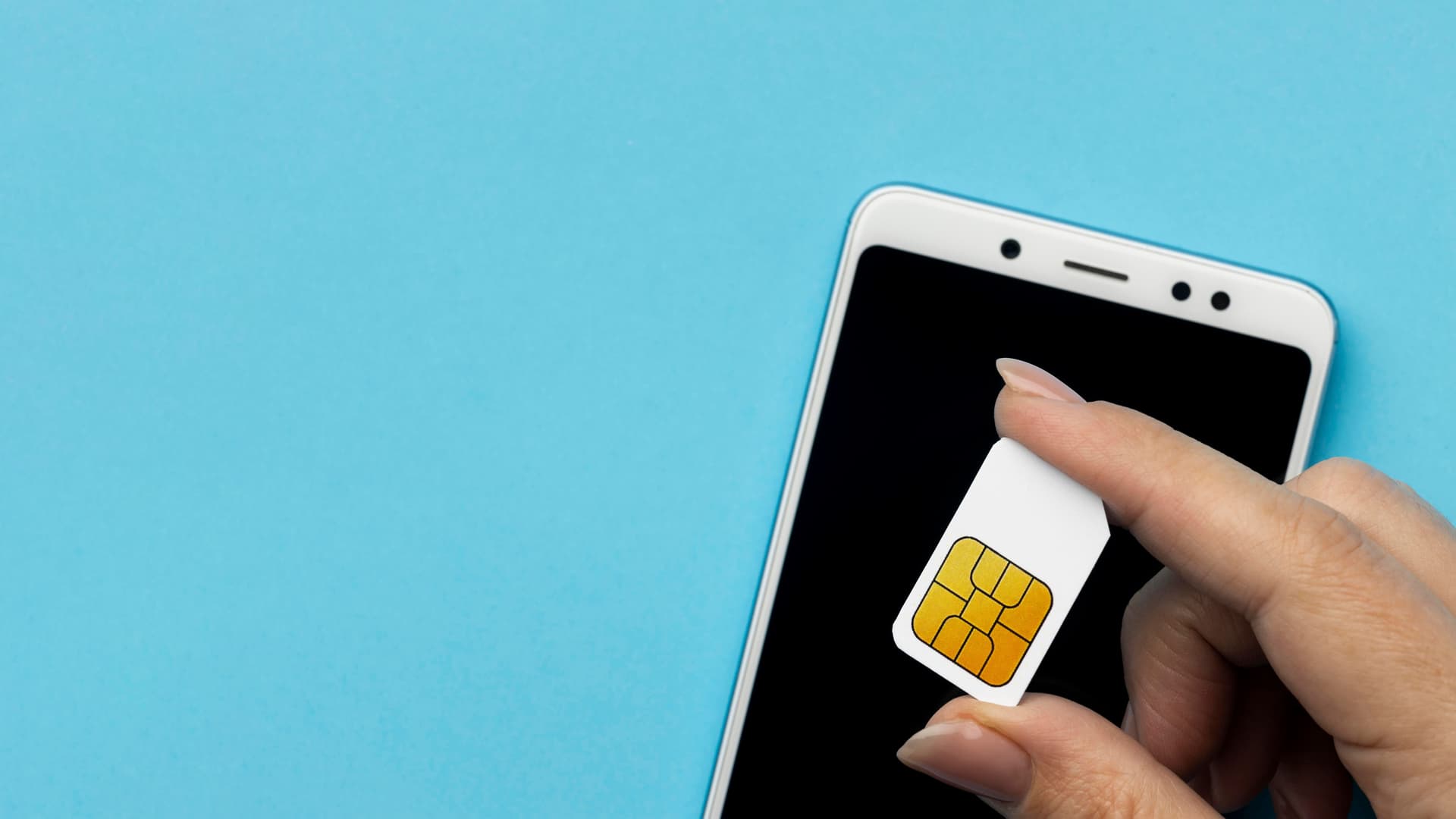
A nano SIM is a small physical card you insert into your phone's SIM tray. An eSIM (embedded SIM) is a programmable chip built directly into your device. Instead of swapping plastic cards, you switch mobile plans digitally, through your phone's settings or an app.
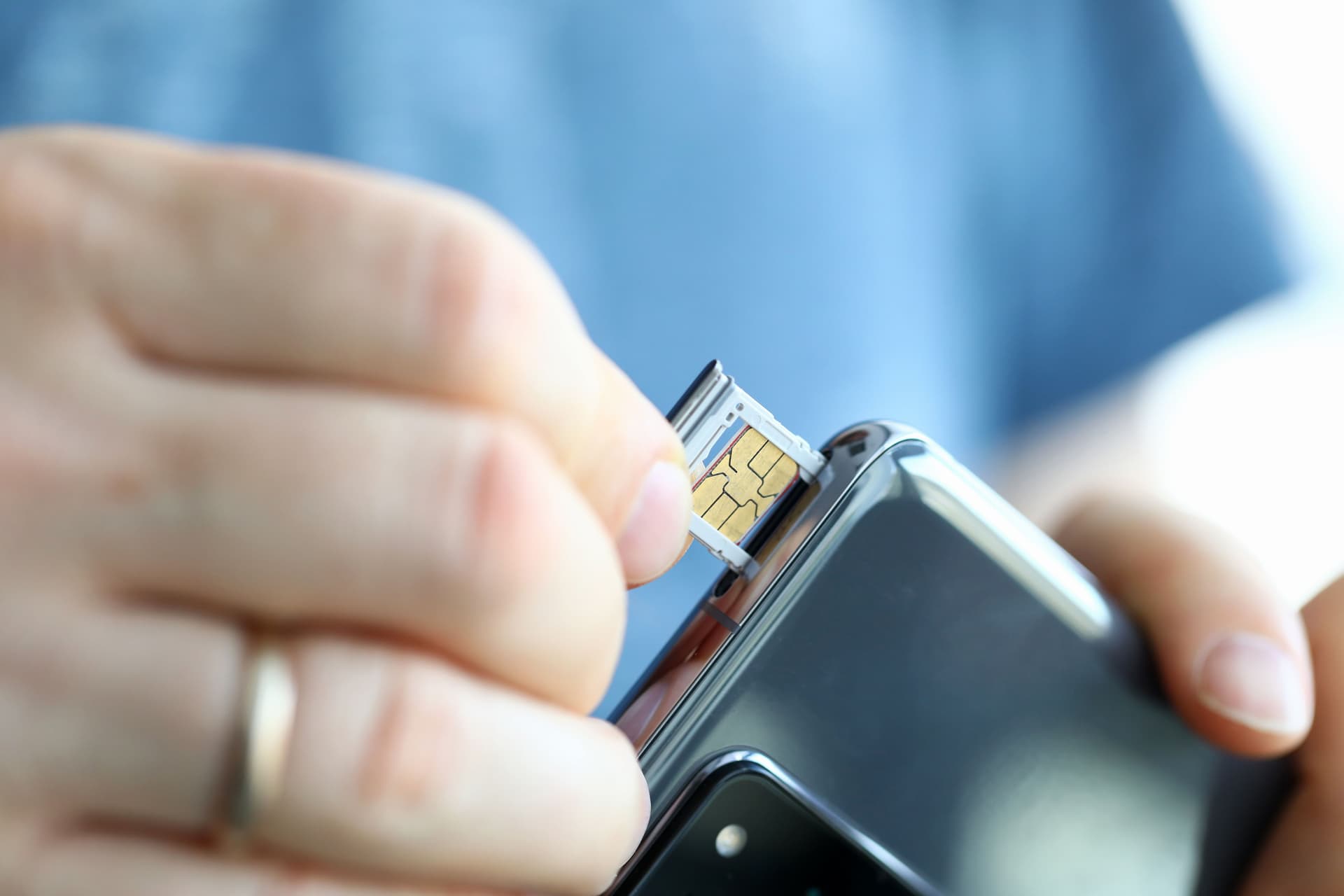
The practical difference for travelers is significant. With a nano SIM, changing networks means finding a store, buying a card, and physically installing it. With an eSIM, you switch carriers from anywhere in the world, often in under five minutes, without touching your phone's hardware.
Nano SIM vs eSIM: Side-by-Side Comparison
| Feature | Nano SIM | eSIM |
|---|---|---|
| Setup time | 20-45+ minutes | Under 5 minutes |
| Physical card required | Yes | No |
| Can store multiple plans | No (one at a time) | Yes (up to 5-8 profiles) |
| Dual SIM capability | Requires second SIM slot | Works alongside nano SIM or second eSIM |
| Risk of loss or damage | Yes | None |
| Buy before you travel | Rarely | Yes |
| Activate from home | No | Yes |
| Works across multiple countries | Requires multiple SIMs | Yes |
| Compatible with all phones | Yes | Most phones from 2020 onward |
The Real Setup Time Difference
This is something most comparison articles skip over, but the time cost of a nano SIM is genuinely significant.
Nano SIM at the airport: Getting a local SIM on arrival typically involves locating the carrier kiosk, joining a queue (especially common at major international airports in Asia, Europe, and the Americas), presenting your passport, selecting a plan, waiting while it's activated, inserting the card, and testing that it works. Realistically, budget 20 to 45 minutes, and longer during peak arrival times.
eSIM from home: Buying and installing a KnowRoaming eSIM takes under five minutes. Purchase the plan online, receive a QR code, scan it in your phone settings, and the profile installs automatically. You can do this days before you leave, which means you step off the plane already connected.
That's not a small convenience difference. If you're catching a connecting flight, need to call your hotel immediately on arrival, or are traveling with kids, those 30+ minutes at a kiosk are real time lost.
What Does a Local SIM Actually Cost vs an eSIM?
Here's where the comparison gets more nuanced — and where a lot of travel blogs give you an incomplete picture.
Local SIM cards at airports are almost never the cheapest option. Airport kiosks and tourist-facing SIM stands charge a premium over what locals pay. A SIM plan that might cost $8-10 at a convenience store in the city often runs $20-30 at the arrivals hall.
eSIM plans are priced transparently, in advance. With KnowRoaming, you can see exactly what you'll pay before you board. Plans start from $1.79 for destinations across 200+ countries, and there are no surprise roaming charges or in-country top-up complications.
The other hidden cost of nano SIMs: if you're visiting multiple countries, you either buy a new SIM in each one, or pay roaming fees on top. A single KnowRoaming Global eSIM covers 130+ countries on one plan — you don't reset your connectivity budget at every border.
eSIM vs Physical SIM: Deep Dive by Category
Convenience
Nano SIM: requires a physical store, sometimes language barriers, and a SIM tray pin. Losing the card means starting over.
eSIM: purchased and installed from your couch. If something goes wrong, support is one app message away — not a foreign-language carrier queue.
Flexibility
A nano SIM gives you one active number at a time. eSIM lets you store multiple plans on your device and switch between them. Many travelers use this to keep their home number on their nano SIM slot for calls, while their eSIM handles affordable data. You stay reachable on your regular number, and you're not paying roaming data rates.
Security
This one surprises people: a nano SIM can be physically removed and used in another device. It can be lost, damaged by water, or damaged when dropped (it has happened in hotel sinks more than once). An eSIM is locked to your device and can't be physically stolen or misplaced.
Coverage
A local nano SIM gives you excellent local coverage — but only locally. For a multi-country trip, you're managing a pocket full of tiny cards.
KnowRoaming's Global eSIM covers 130+ countries on a single plan. Regional plans cover popular destination groups. You're never scrambling for coverage at a land border.
Which Phones Support eSIM in 2026?
eSIM adoption has accelerated dramatically. In the US, Apple removed the physical SIM tray entirely starting with iPhone 15. In 2026, virtually every flagship from any major brand ships with eSIM support as standard.
iPhone: iPhone XS and later (iPhone 15 series in the US is eSIM-only)
Samsung: Galaxy S20 and later, most Galaxy A-series from 2022 onward, Galaxy Z Fold and Flip series
Google Pixel: Pixel 3 and later
OnePlus, Motorola, Xiaomi: Most flagship and mid-range models from 2022 onward
If you're unsure about your specific model, go to any KnowRoaming eSIM page and click "Is My Device Compatible." It takes about ten seconds.
Not sure whether your phone uses an eSIM chip? Go to Settings and look for "SIM" or "eSIM," or check device info for an EID (eSIM Identifier) number.
Is eSIM Better Than a Physical SIM for International Travel?
For most travelers in 2026, yes. eSIM is faster to set up, more flexible across multiple destinations, physically more secure, and allows true dual SIM use without needing a second SIM slot. You can buy your plan before you fly, activate it before you board, and land already connected.
The gap has widened compared to even two years ago. eSIM coverage has expanded significantly, more carriers support it, and phone compatibility is near-universal for anyone using a device bought in the last three to four years.
When a Nano SIM Still Makes Sense
Being honest here: there are still situations where a nano SIM is the right call.
Your phone doesn't support eSIM. Older devices and some budget Android models still rely exclusively on physical SIM cards. If your phone is from before 2020, check compatibility before assuming eSIM is an option.
You need a local phone number. Some travelers need a local number for the countries they're visiting — for two-factor authentication, local deliveries, or business calls. A local nano SIM provides a local number; most travel eSIM plans are data-only.
You're visiting a destination with limited eSIM infrastructure. Most major global cities are well covered, but some rural or developing-market destinations still have better physical SIM availability than eSIM support.
Outside of these scenarios, eSIM wins.
Why Choose KnowRoaming for International eSIM Travel?
KnowRoaming has been connecting travelers internationally for more than 15 years. The company started with SIM sticker technology — a hardware solution to roaming before eSIM existed — which means the infrastructure and carrier relationships behind KnowRoaming's eSIM plans run deep.
What that means practically:
200+ destinations covered. From popular European capitals to remote island destinations, KnowRoaming has plans available wherever you're likely to be going.
Plans starting from $1.79. Transparent pricing you can compare and confirm before you fly, not after you land.
Global eSIM for multi-country trips. One plan, 130+ countries, no card swapping.
App-based activation. Install your eSIM directly through the KnowRoaming app. No QR codes to print, no email to hunt for at the airport.
24/7 support. If you have connectivity issues at 2am in Tokyo, you can reach someone.
Ready to switch? Browse eSIM plans for your destination.
Frequently Asked Questions
Is eSIM better than a physical SIM for travel?
For most travelers in 2026, yes. eSIM is faster to set up, available before you arrive, and lets you maintain dual SIM functionality without needing two SIM slots. Plans are priced transparently and purchased from home, so there are no airport kiosk queues or surprise charges on arrival.
Can I use both a nano SIM and an eSIM at the same time?
Yes, if your phone supports dual SIM. Most modern smartphones let you run a nano SIM for your home number alongside an eSIM for travel data. This is one of the most practical setups for frequent international travelers: your home number stays reachable, and your data costs stay low.
What is the difference between a nano SIM and an eSIM?
A nano SIM is a removable physical card that you insert into your phone's SIM tray. An eSIM is a programmable chip embedded directly in your device. Nano SIMs require physical swapping to change carriers. eSIMs let you switch plans digitally, install profiles remotely, and store multiple carrier profiles on one device.
Does KnowRoaming offer both nano SIM and eSIM plans?
KnowRoaming focuses on eSIM plans for international travel, covering 200+ destinations with plans starting from $1.79. Browse plans here.
Which countries support eSIM?
eSIM is supported in most major travel destinations worldwide. KnowRoaming's eSIM plans cover 200+ destinations across Europe, Asia, the Americas, Africa, and Oceania. The Global eSIM plan covers 130+ countries under a single plan.
How do I know if my phone supports eSIM?
Check your phone settings for a "SIM" or "eSIM" option, or look for an EID number in your device info. Most flagship smartphones from 2020 onward support eSIM. You can also use the compatibility checker on KnowRoaming's eSIM pages.